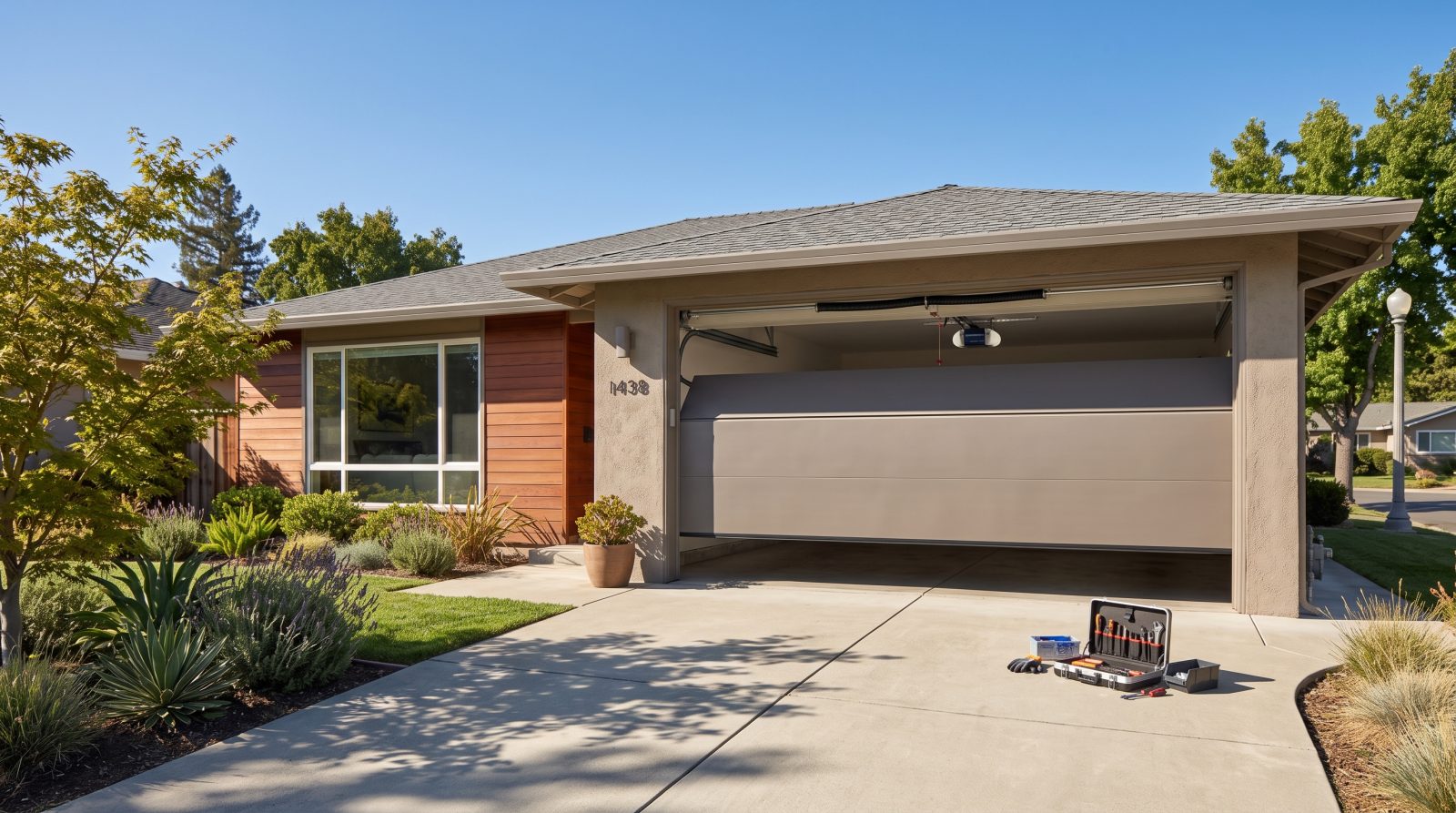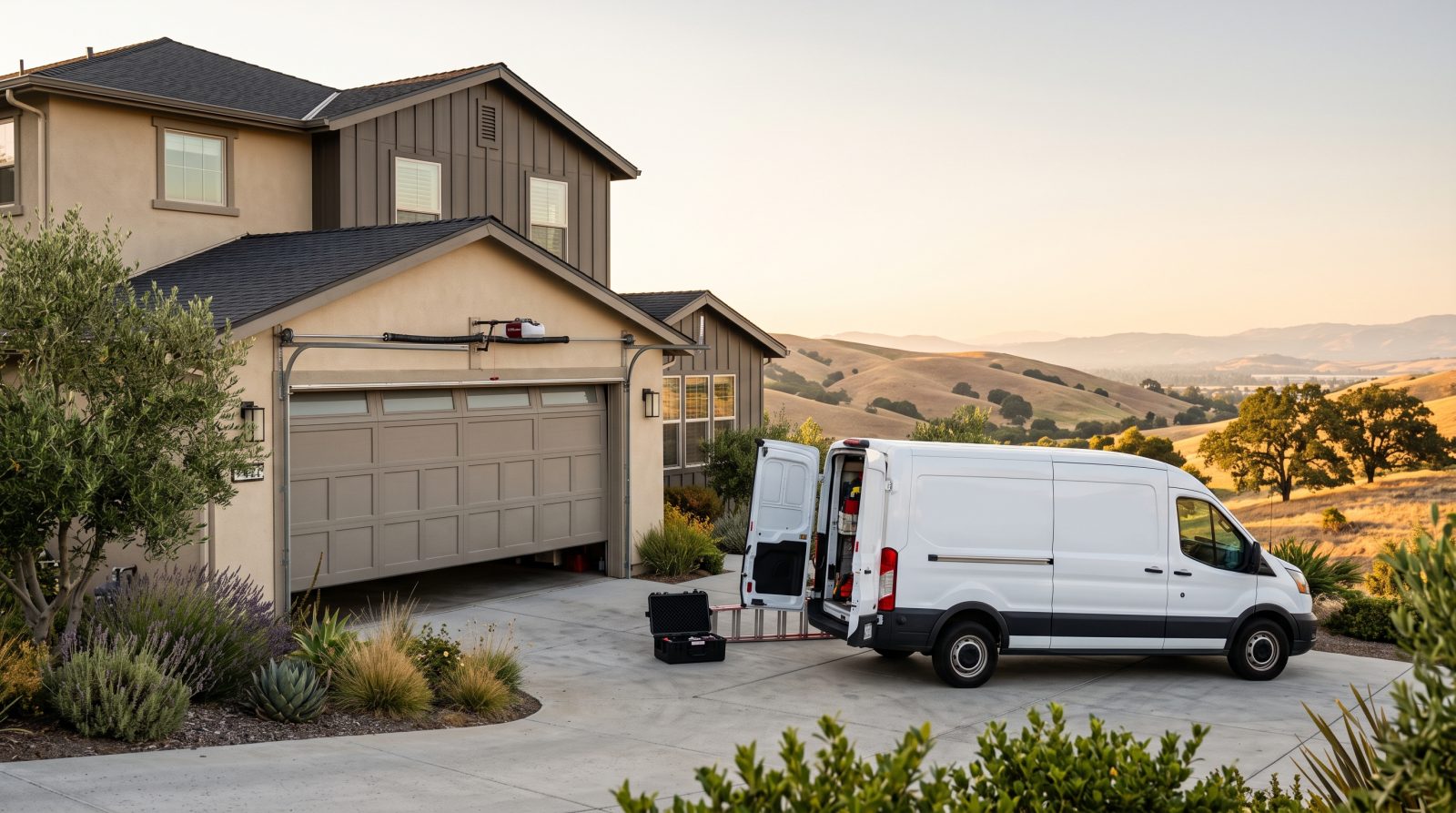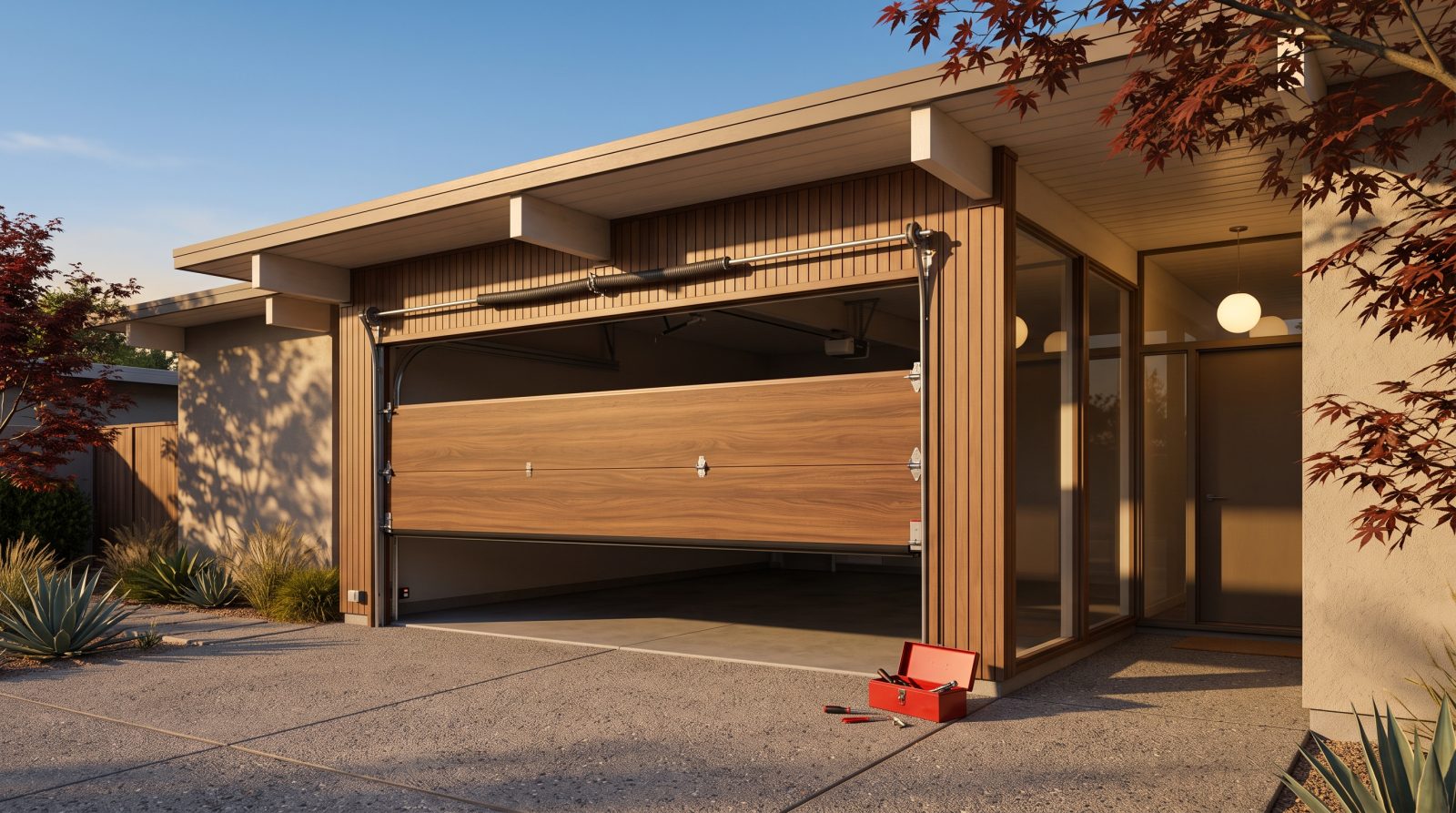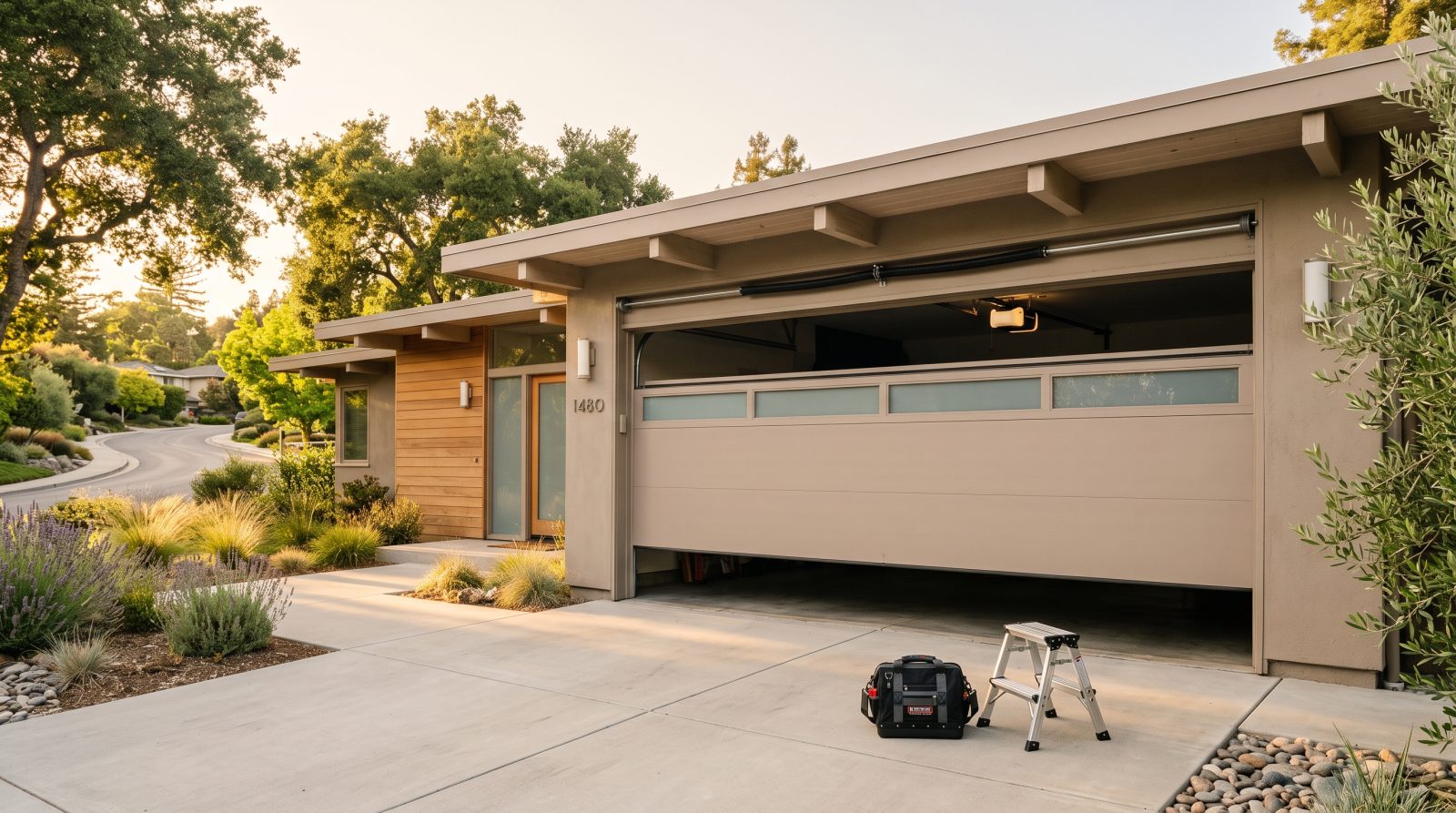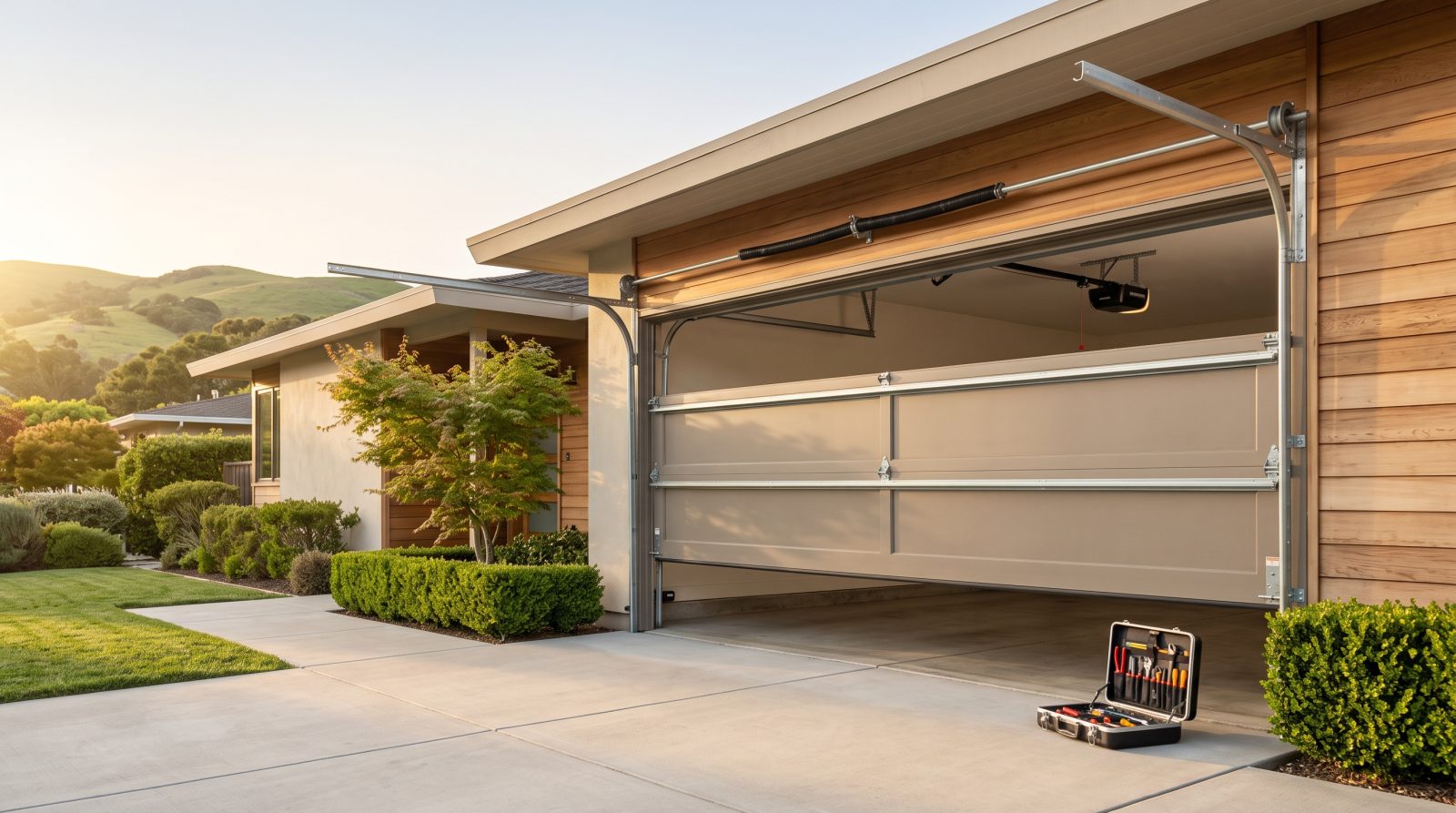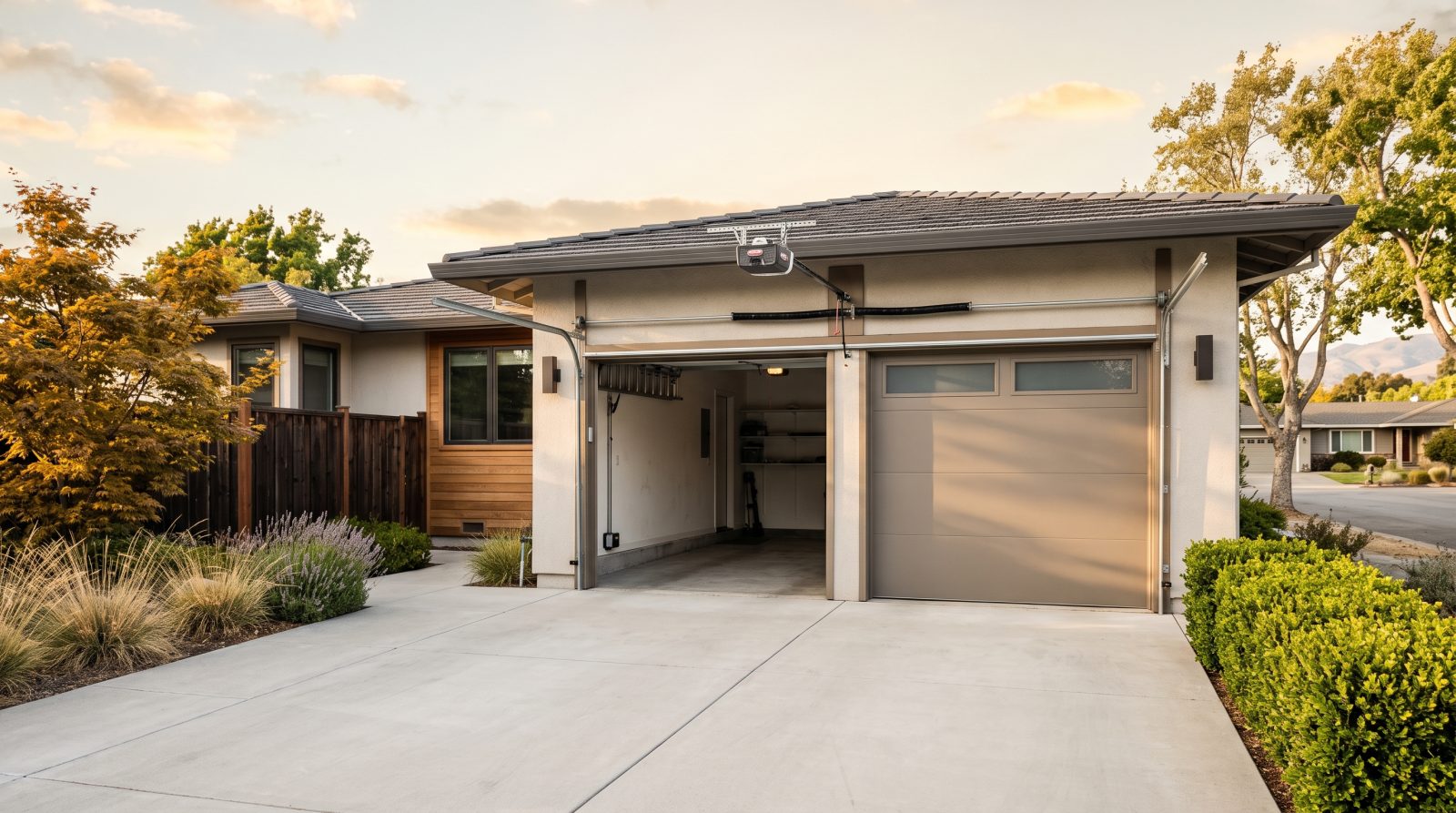
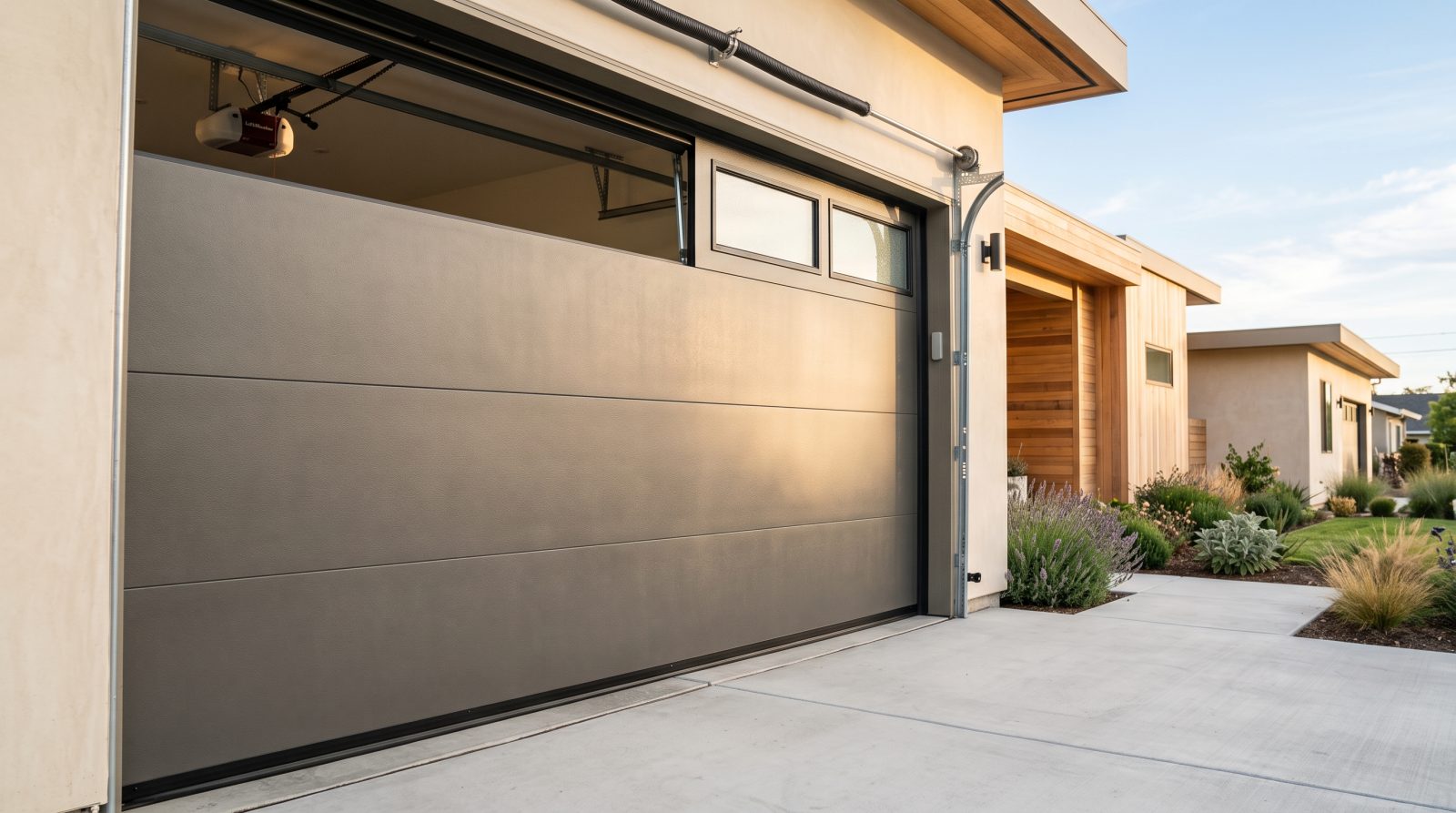
What we fix — and why a mobile service is the right call
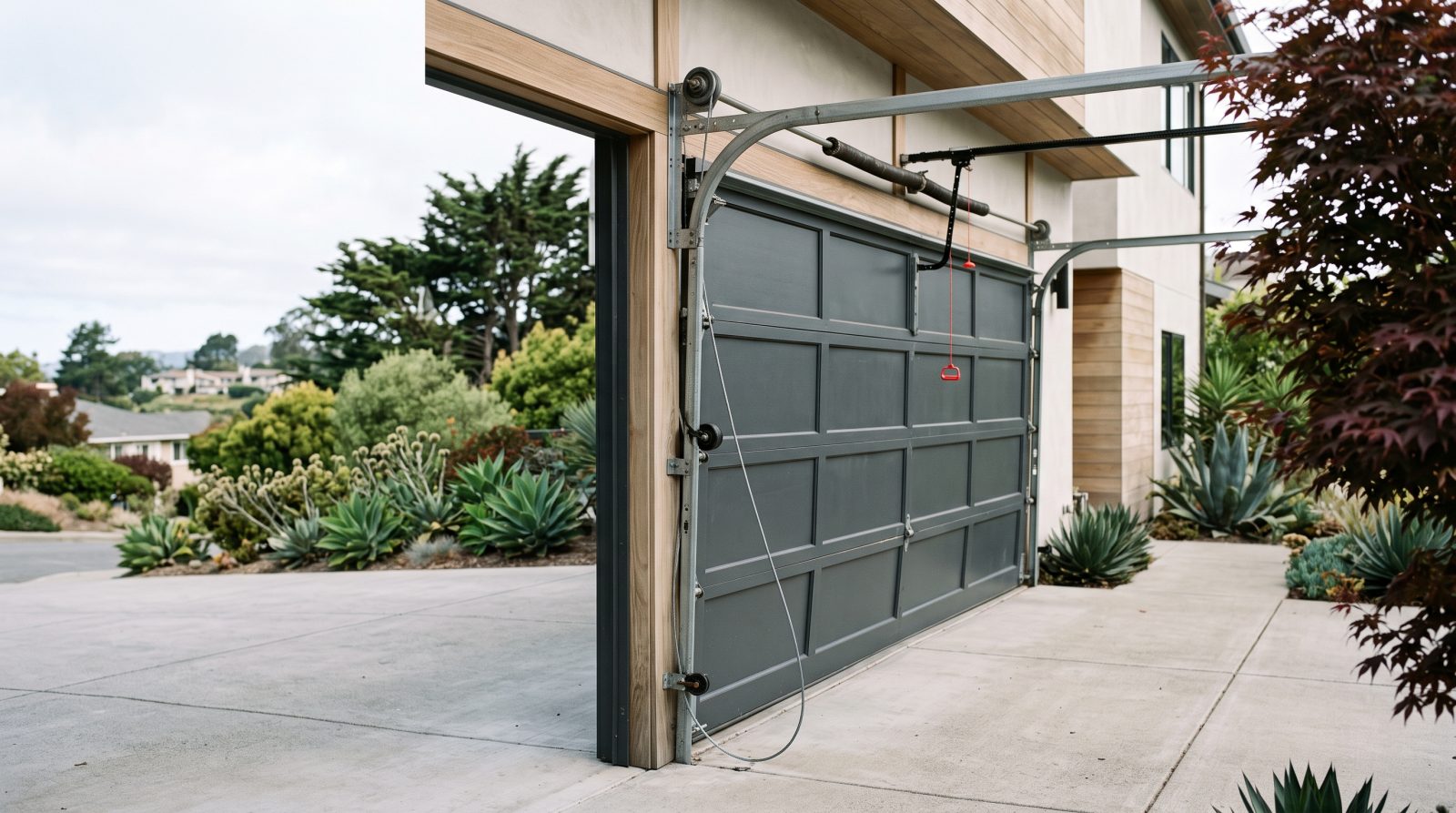
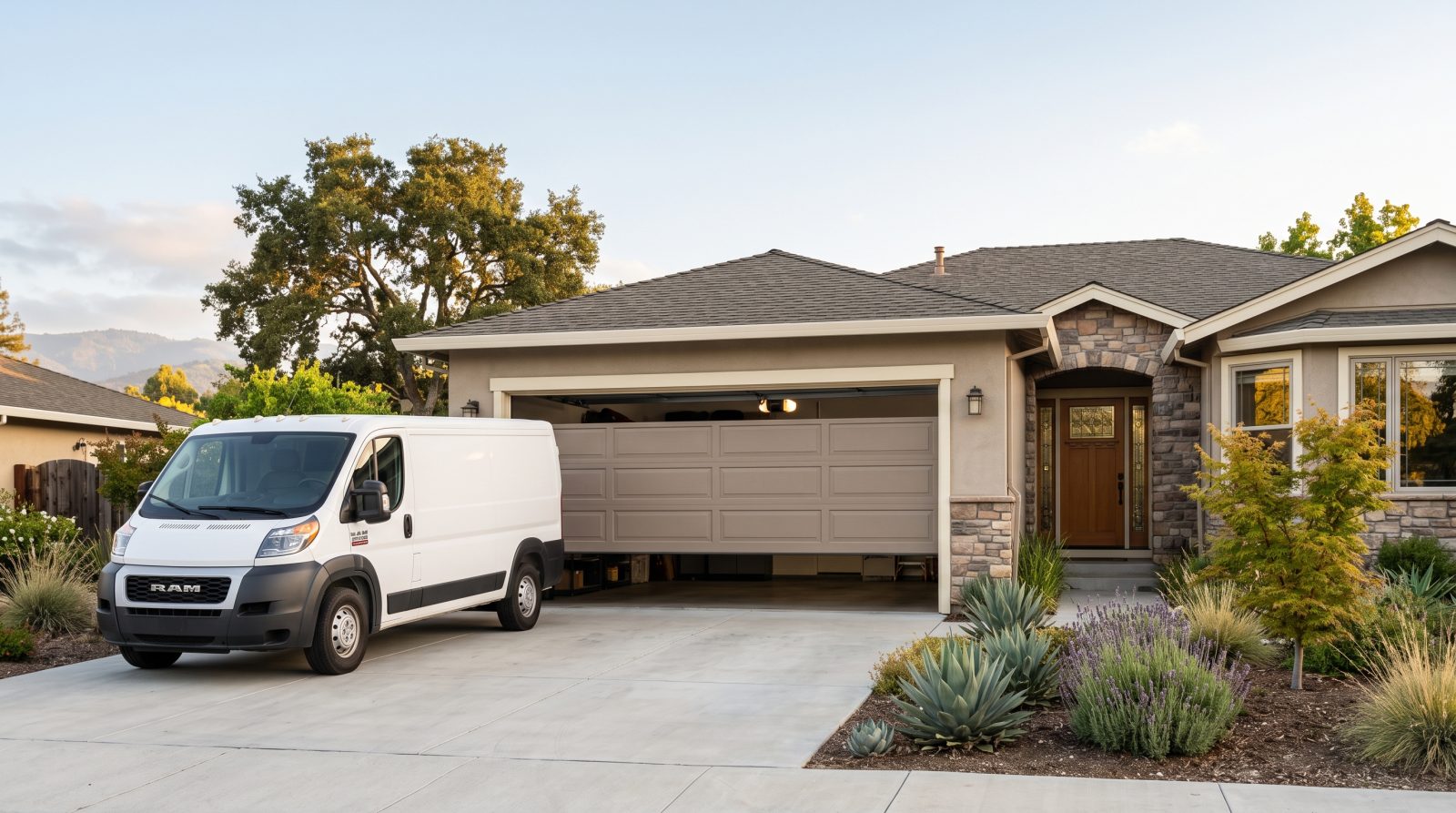
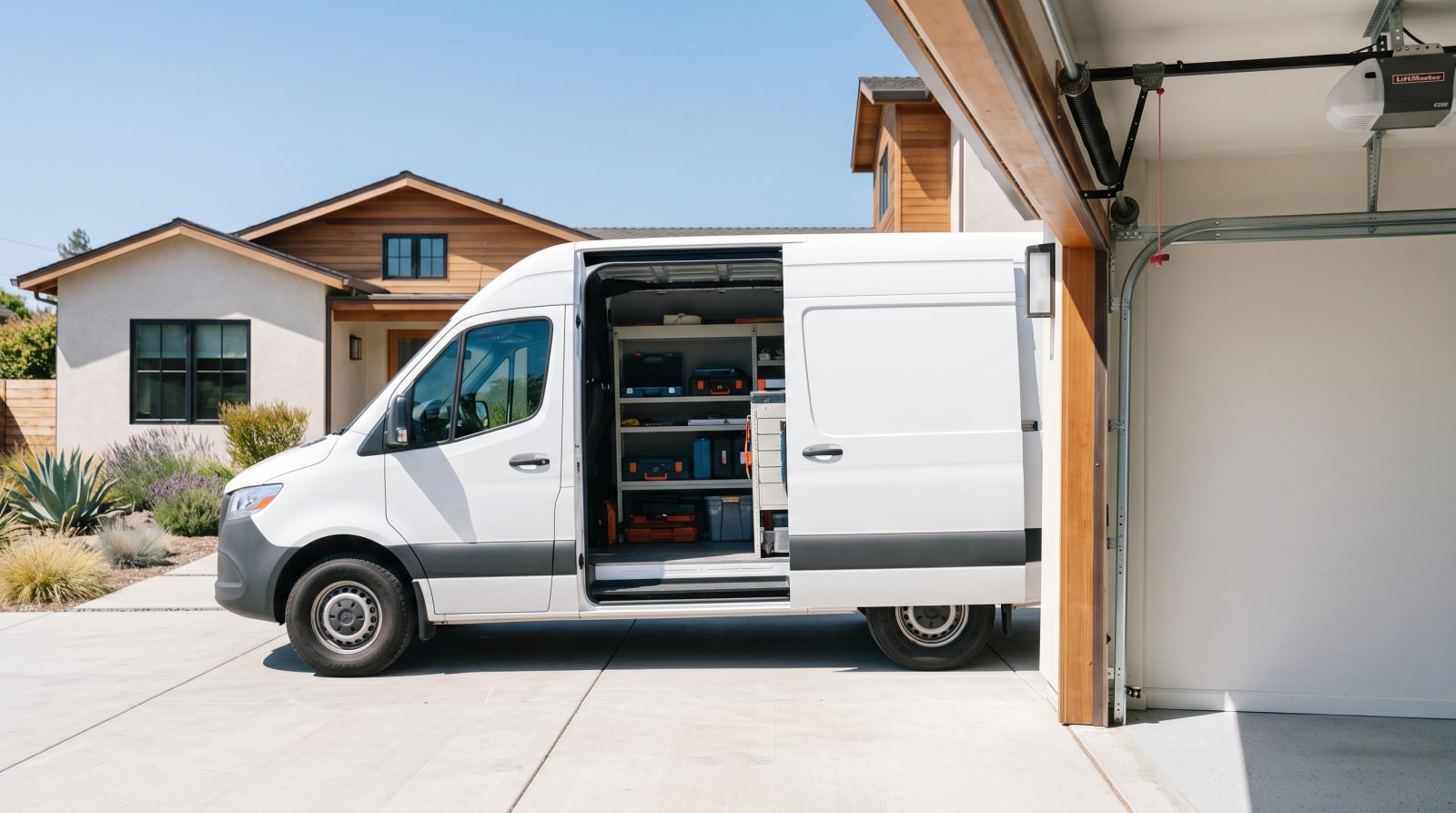
A garage door is the largest moving object in most homes, and almost every failure traces back to one of a handful of parts working under serious tension. We handle the full range: torsion and extension spring replacement, opener repair and replacement, off-track and bent-track correction, frayed or snapped lift cables, worn rollers and hinges, misaligned safety sensors, weatherstripping and bottom-seal replacement, panel and section repair, and full new-door installation. Because everything we need rides in the truck, the visit that finds the problem is usually the same visit that fixes it.
The mobile model matters more than it sounds in the Bay Area. Many homes here have detached or hillside garages, narrow shared driveways, and garages tucked under living space where a stuck door means a blocked car or an unsecured house. We come to the door rather than asking you to haul anything anywhere, and we work on the door in place. For homeowners and small businesses alike, that means less downtime and a faster path back to a door that opens, closes, and locks the way it should.
If your door won't move at all, opens crooked, makes a loud bang, or has a visibly broken spring, it's worth stopping before you force it. A door under spring tension can drop fast, and a partially failed system tends to fail the rest of the way under load. Calling for service early almost always costs less than running a damaged door until something else breaks with it.
- Broken torsion and extension springs (the most common single failure)
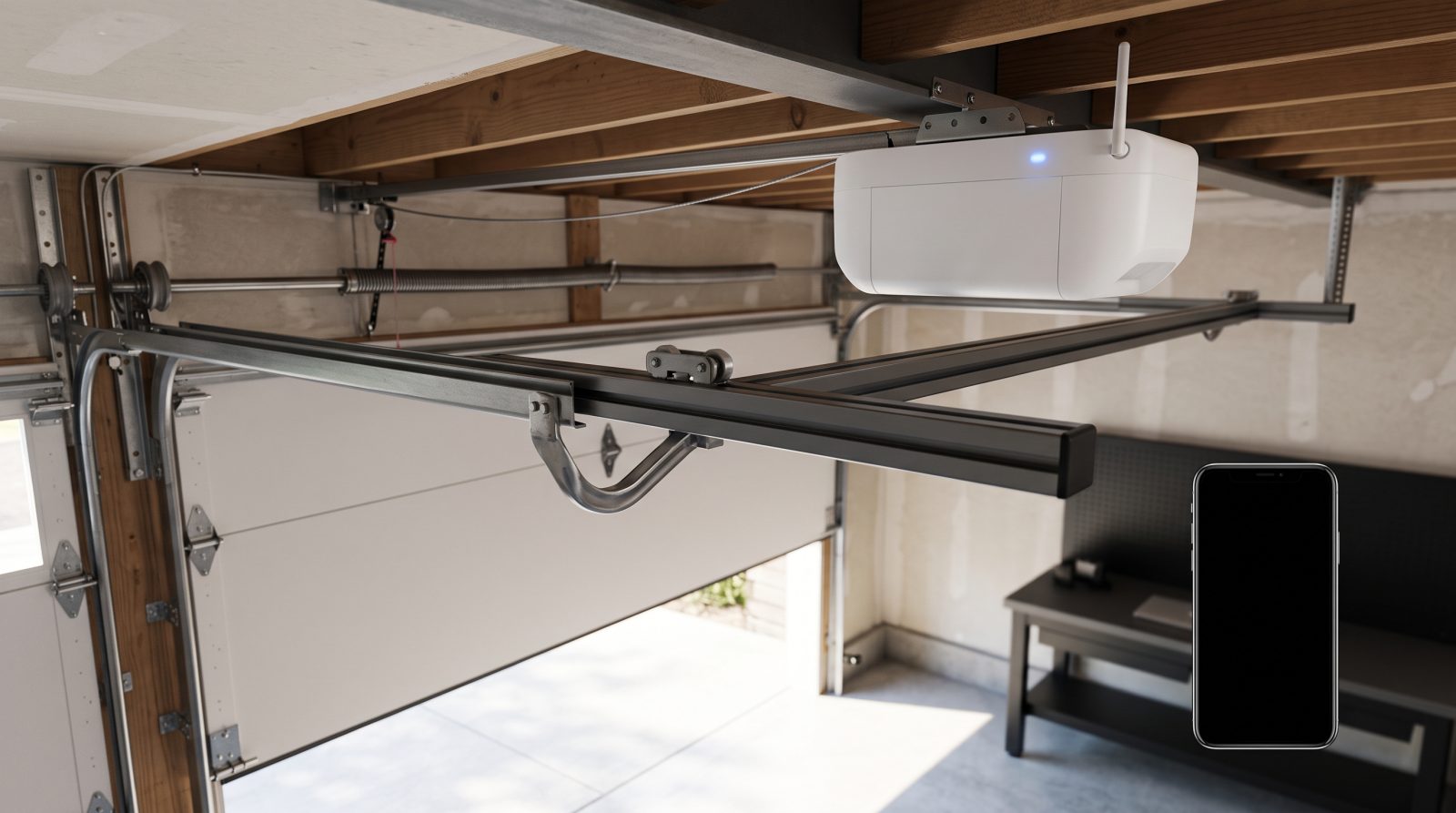
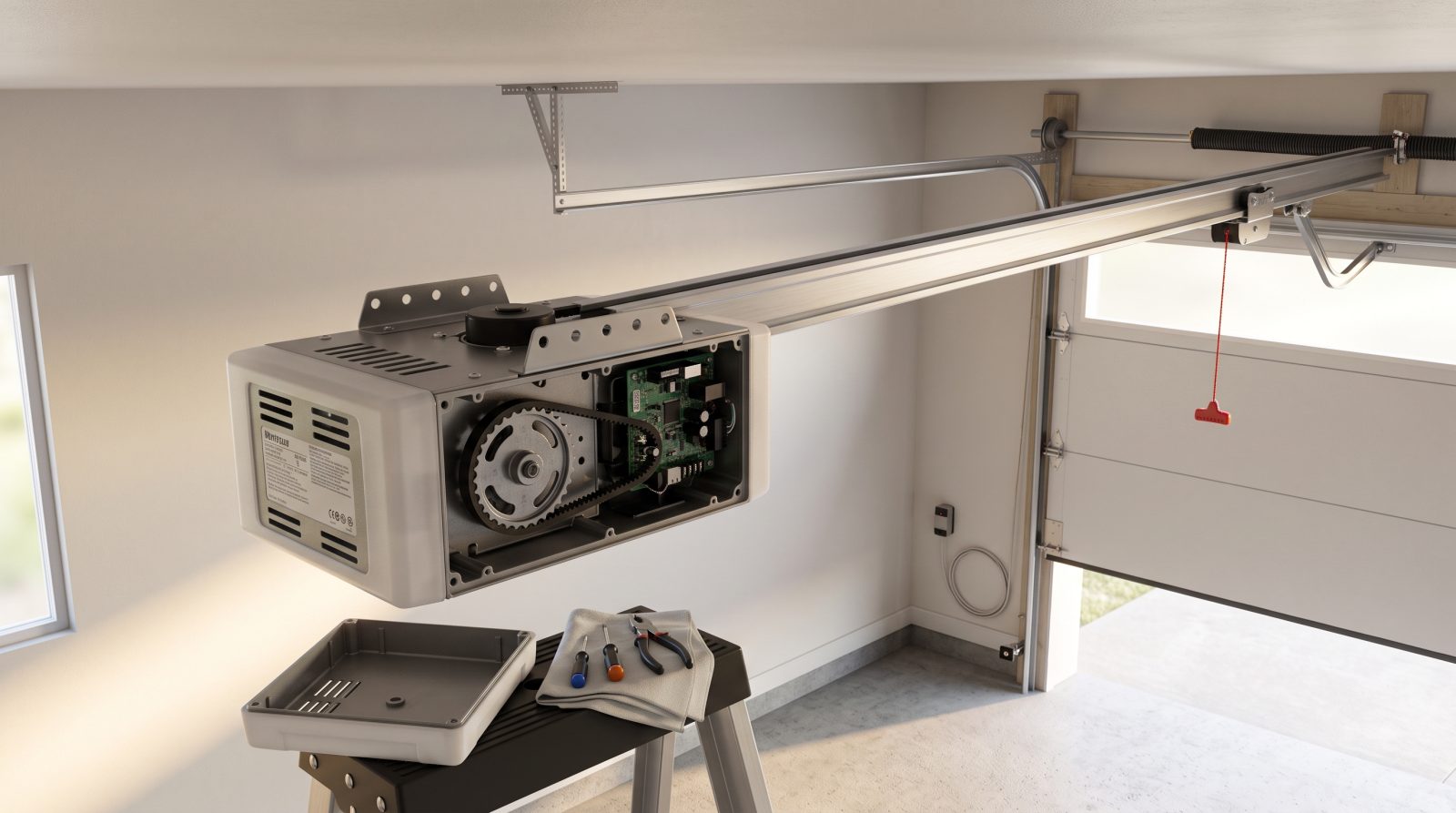
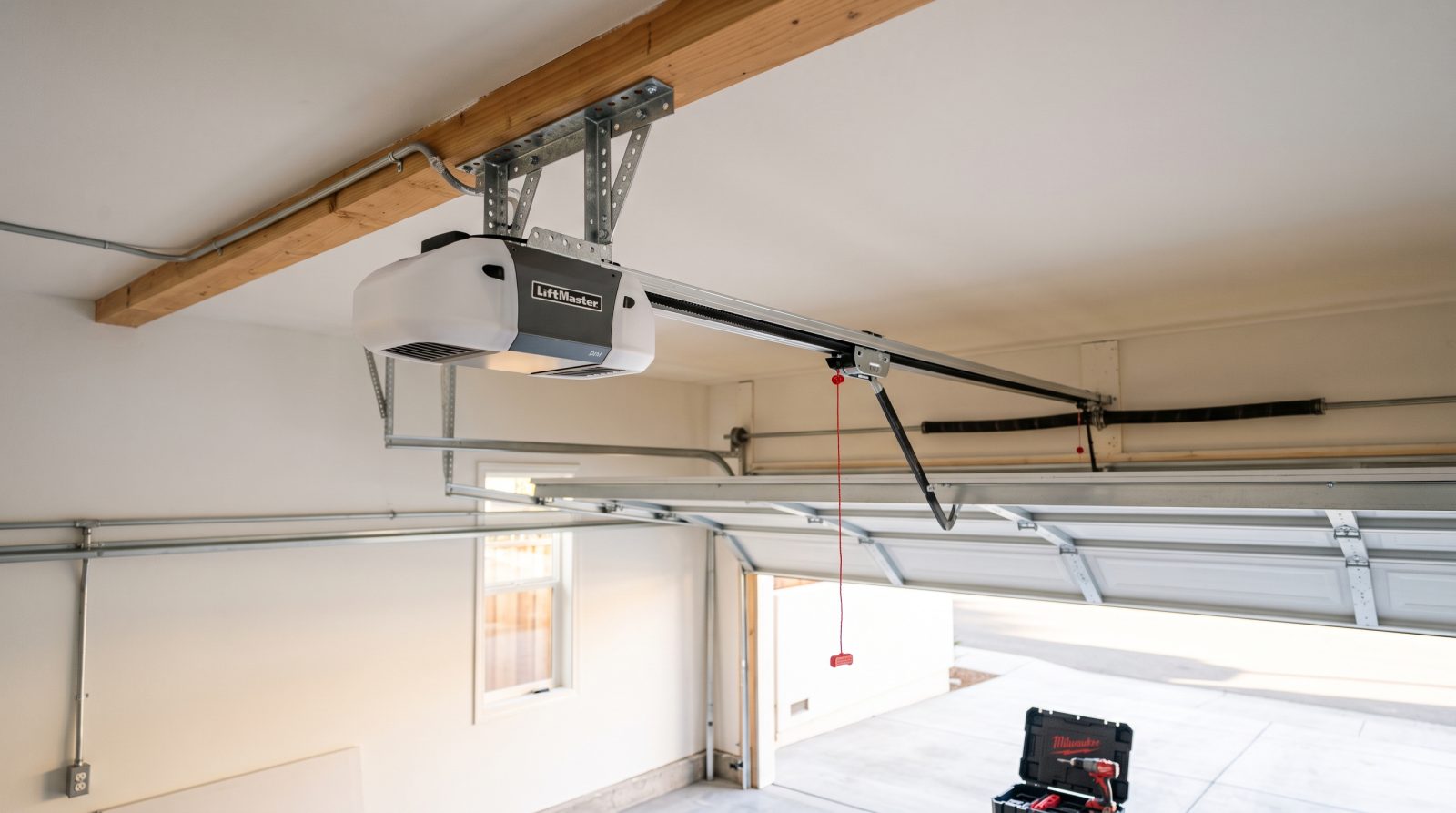
- Garage door openers — repair, logic-board issues, and full replacement
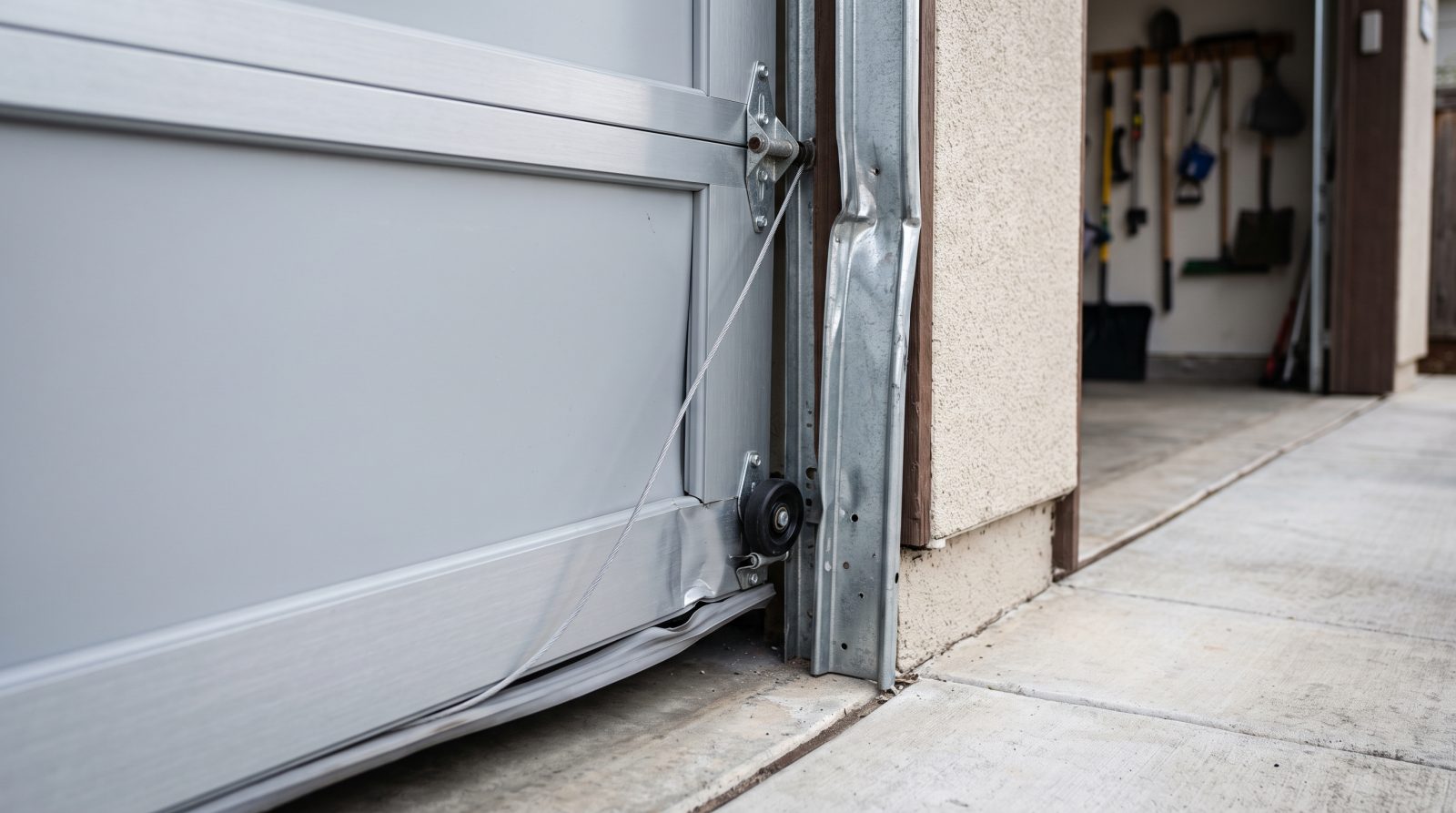
- Off-track, bent-track, and jammed doors after an impact or roller failure
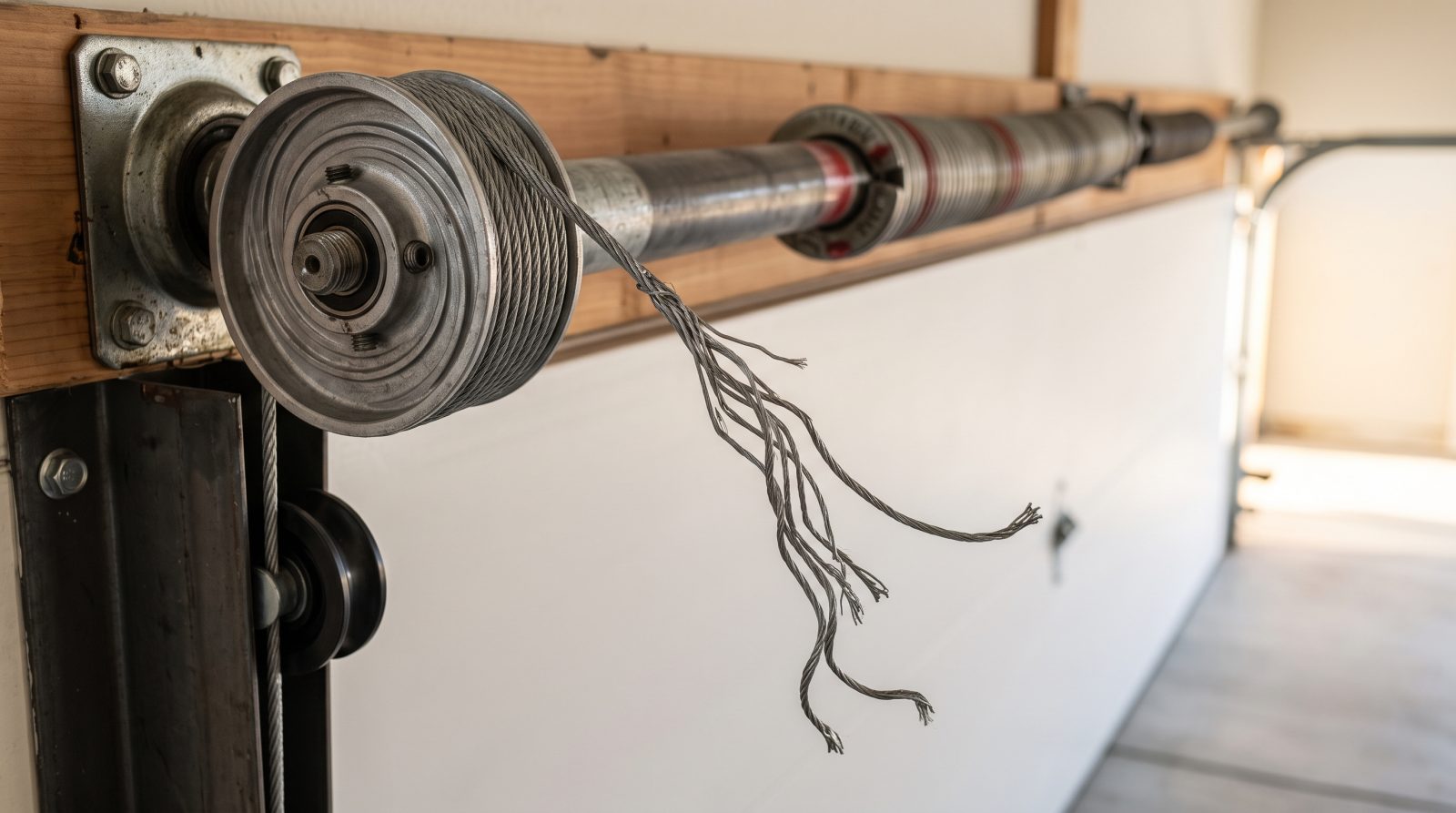
- Snapped or frayed lift cables and worn rollers, hinges, and bearings
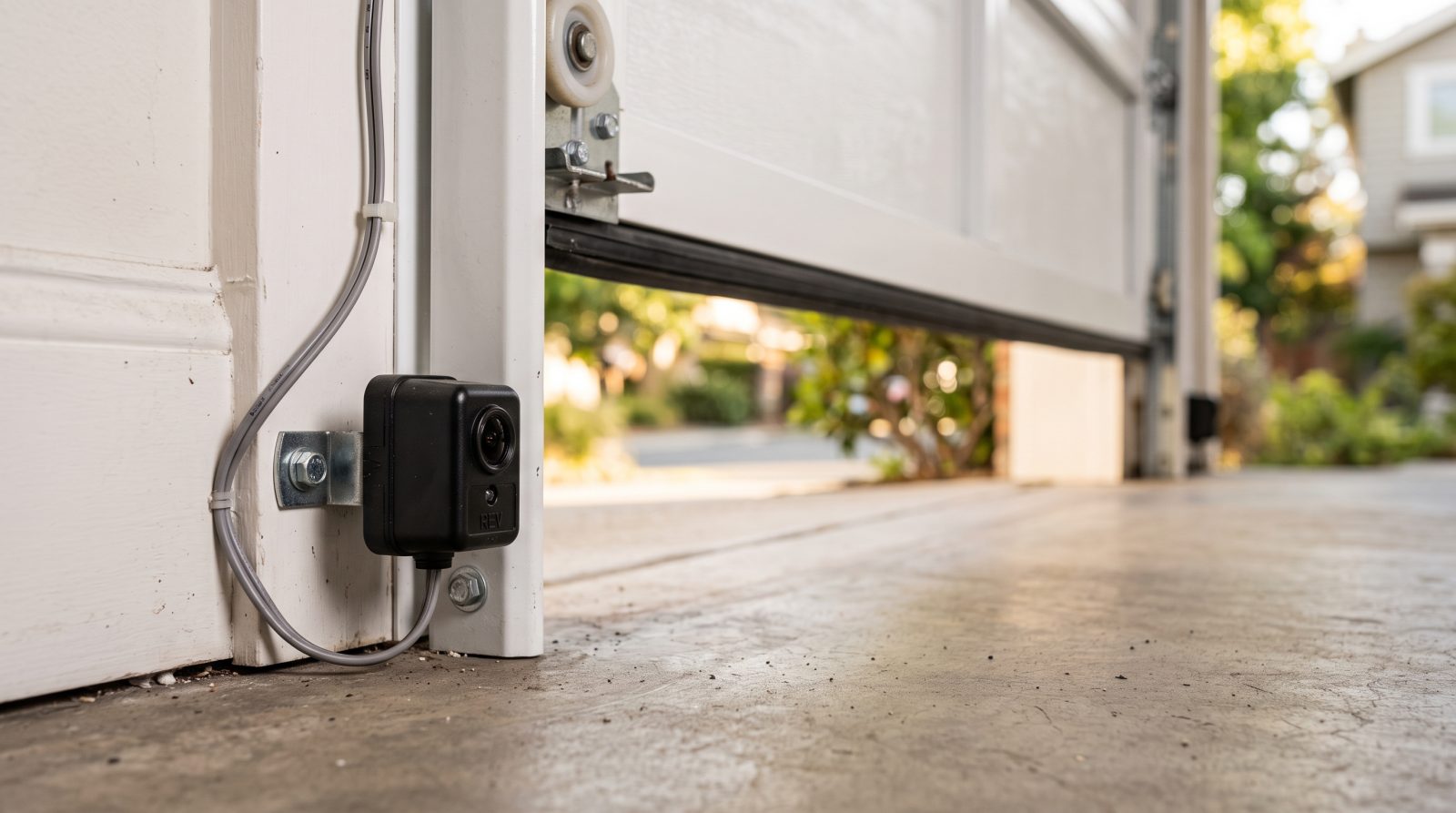
- Misaligned or dead photo-eye safety sensors that cause reversing
- Weather seals, bottom astragal, and draft/water-intrusion fixes
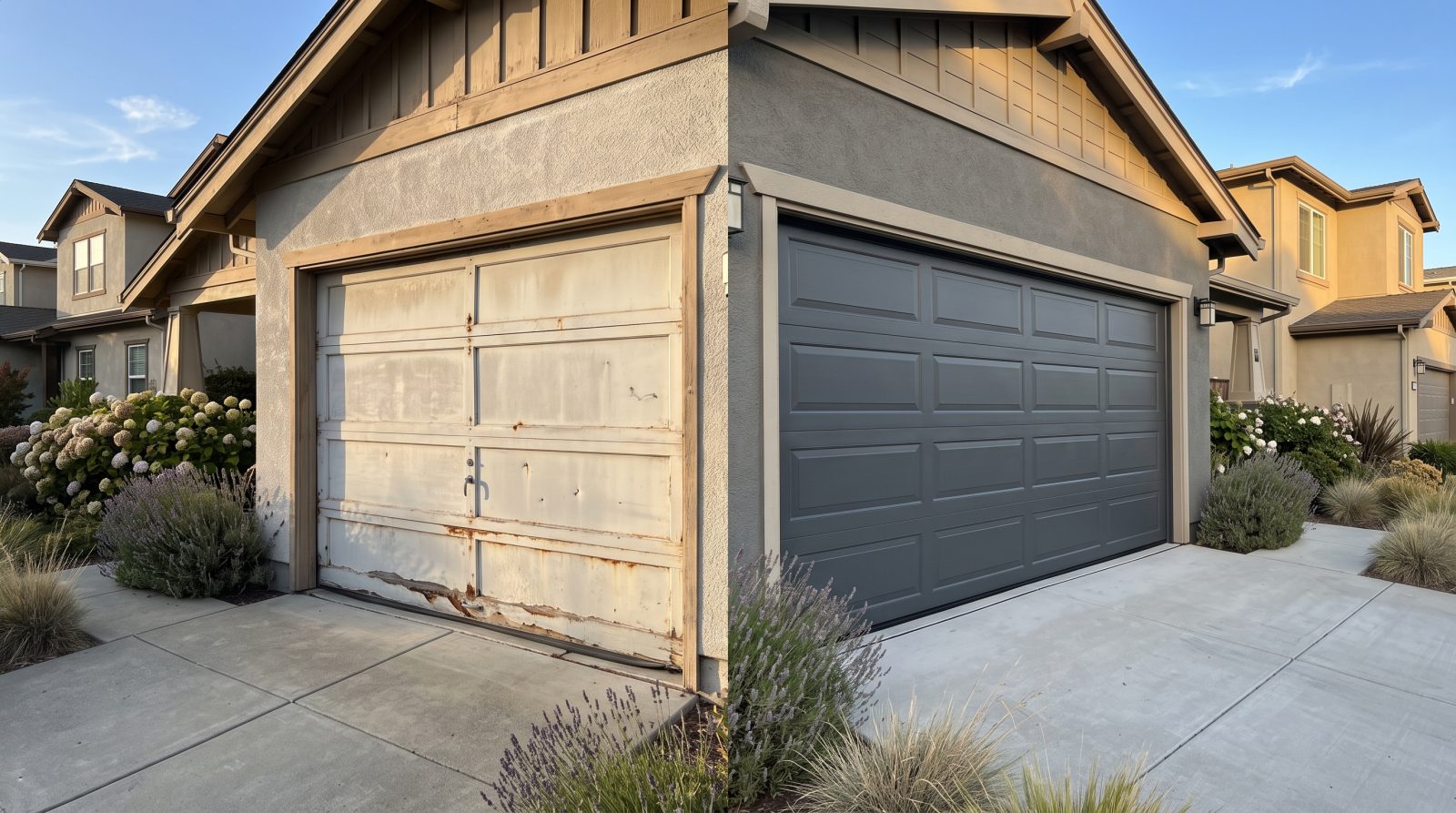
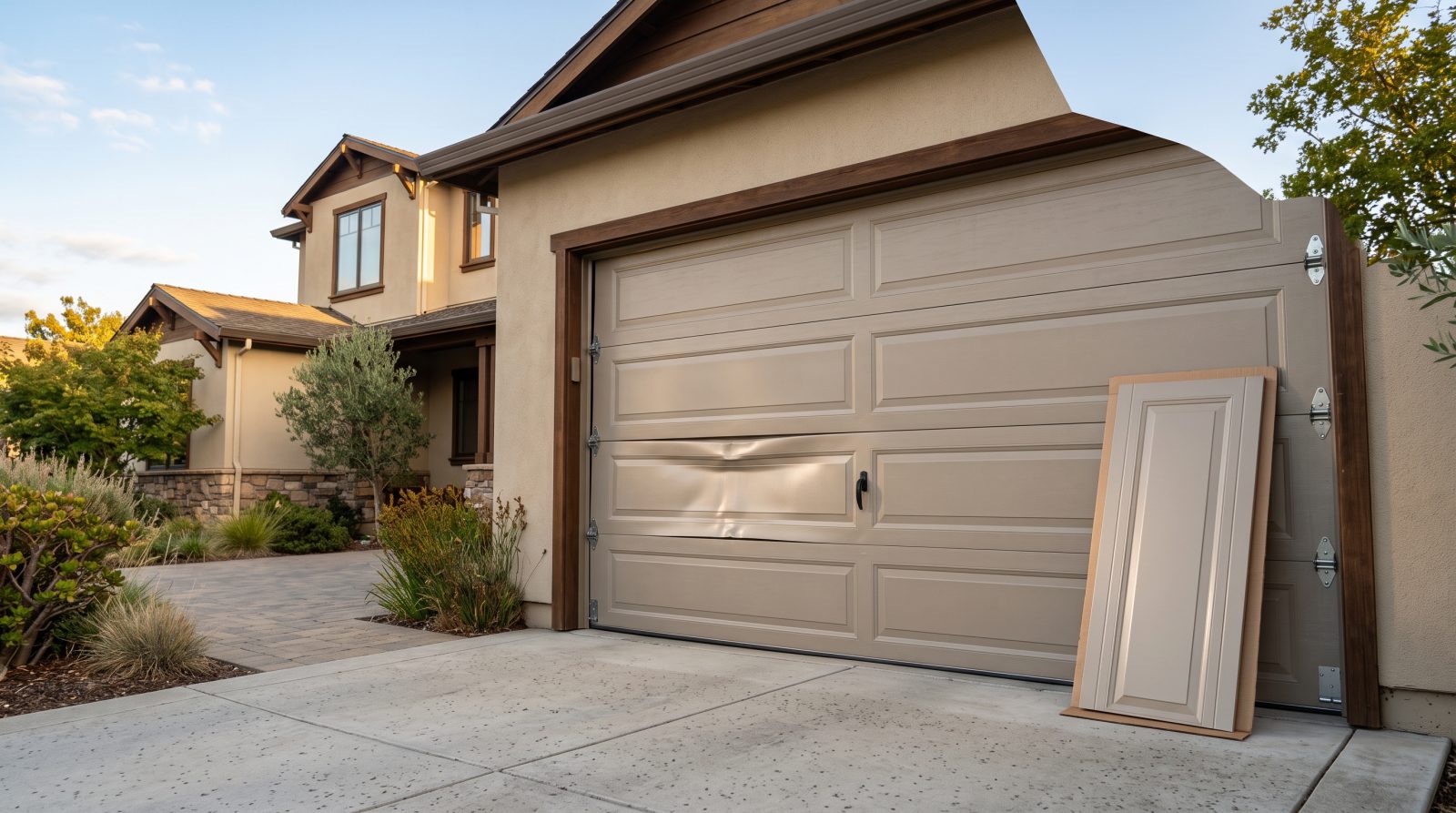
- New door supply and installation, plus haul-away of the old door
Garage door springs: the part that does the heavy lifting
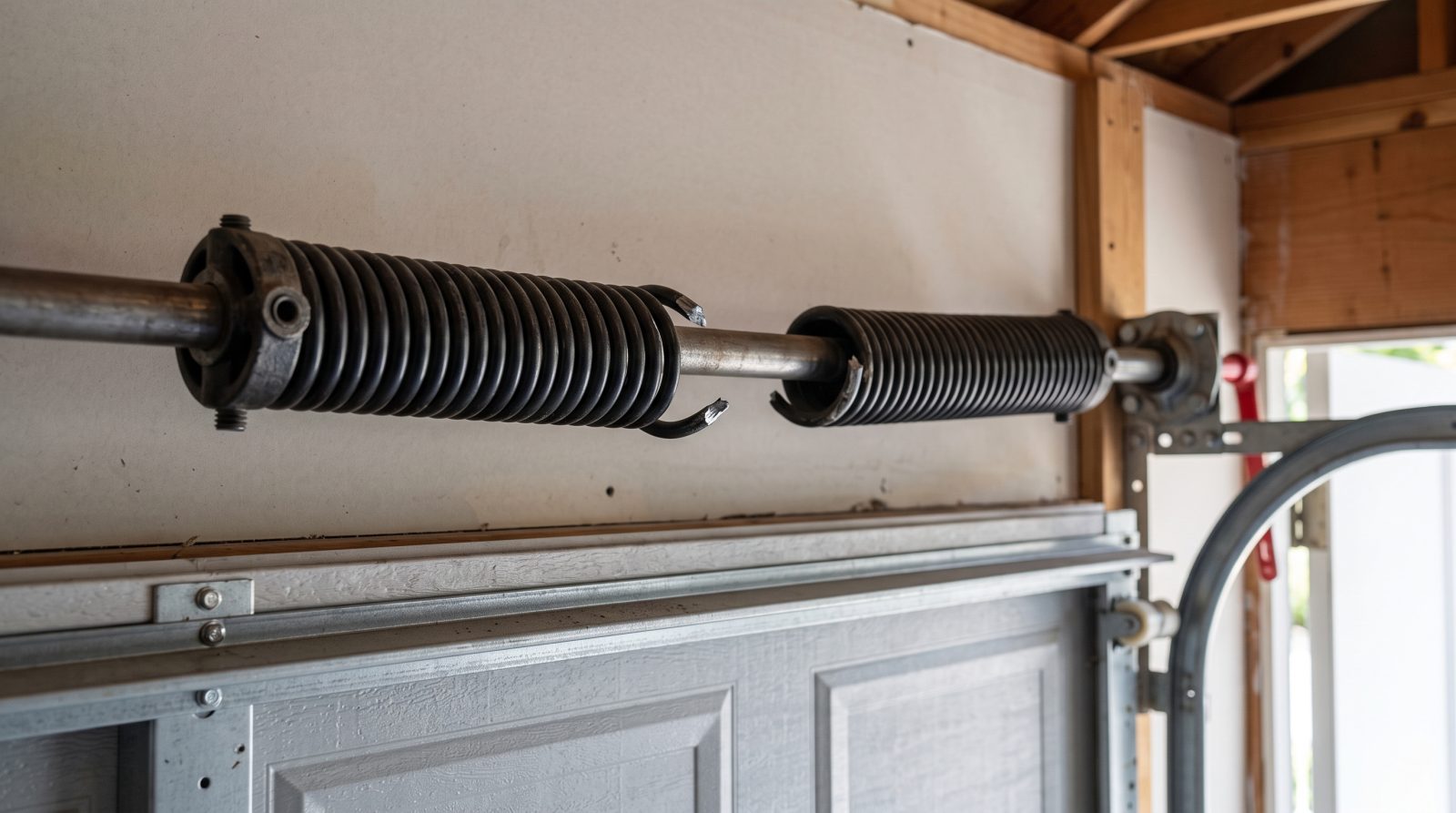
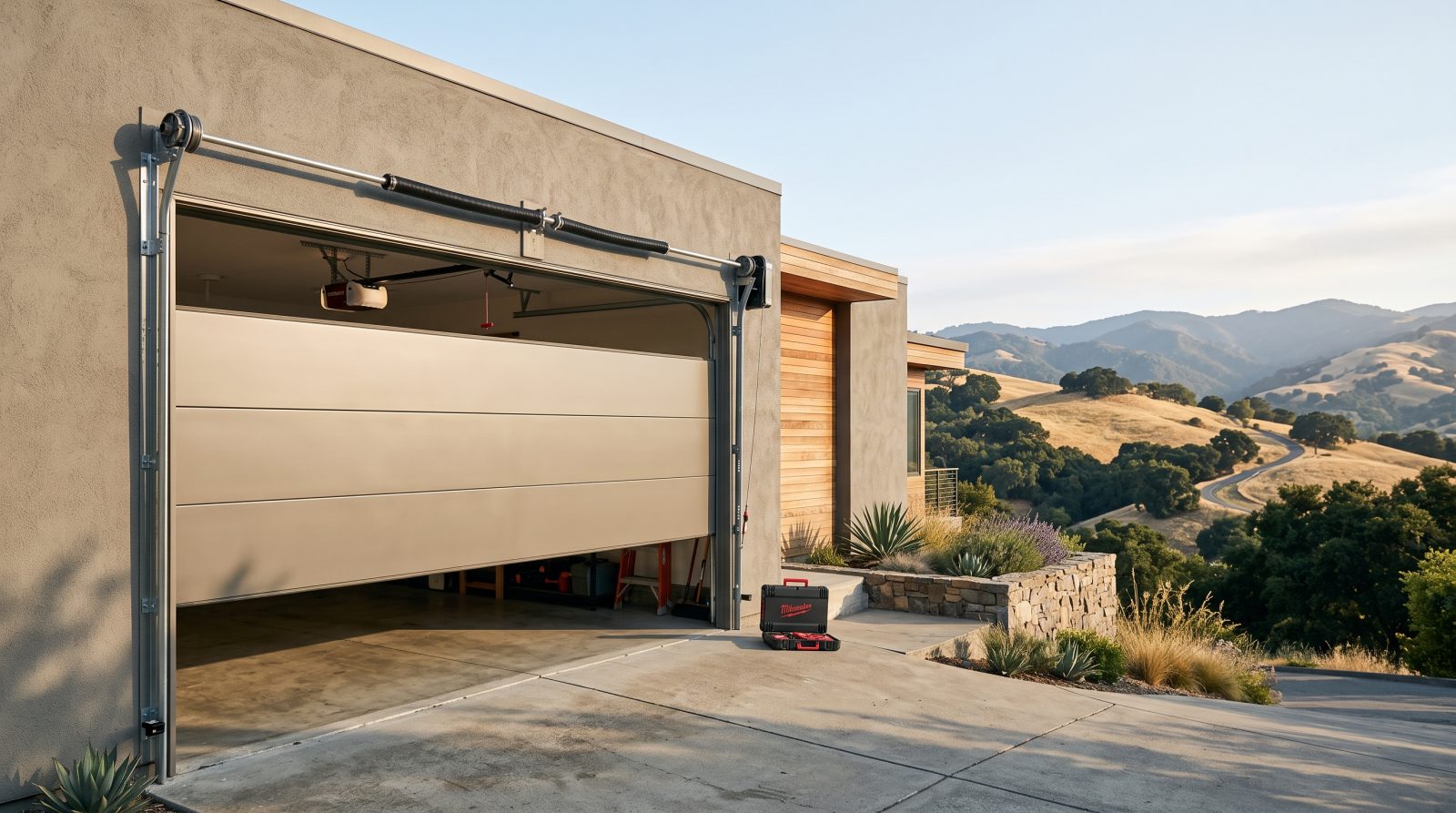
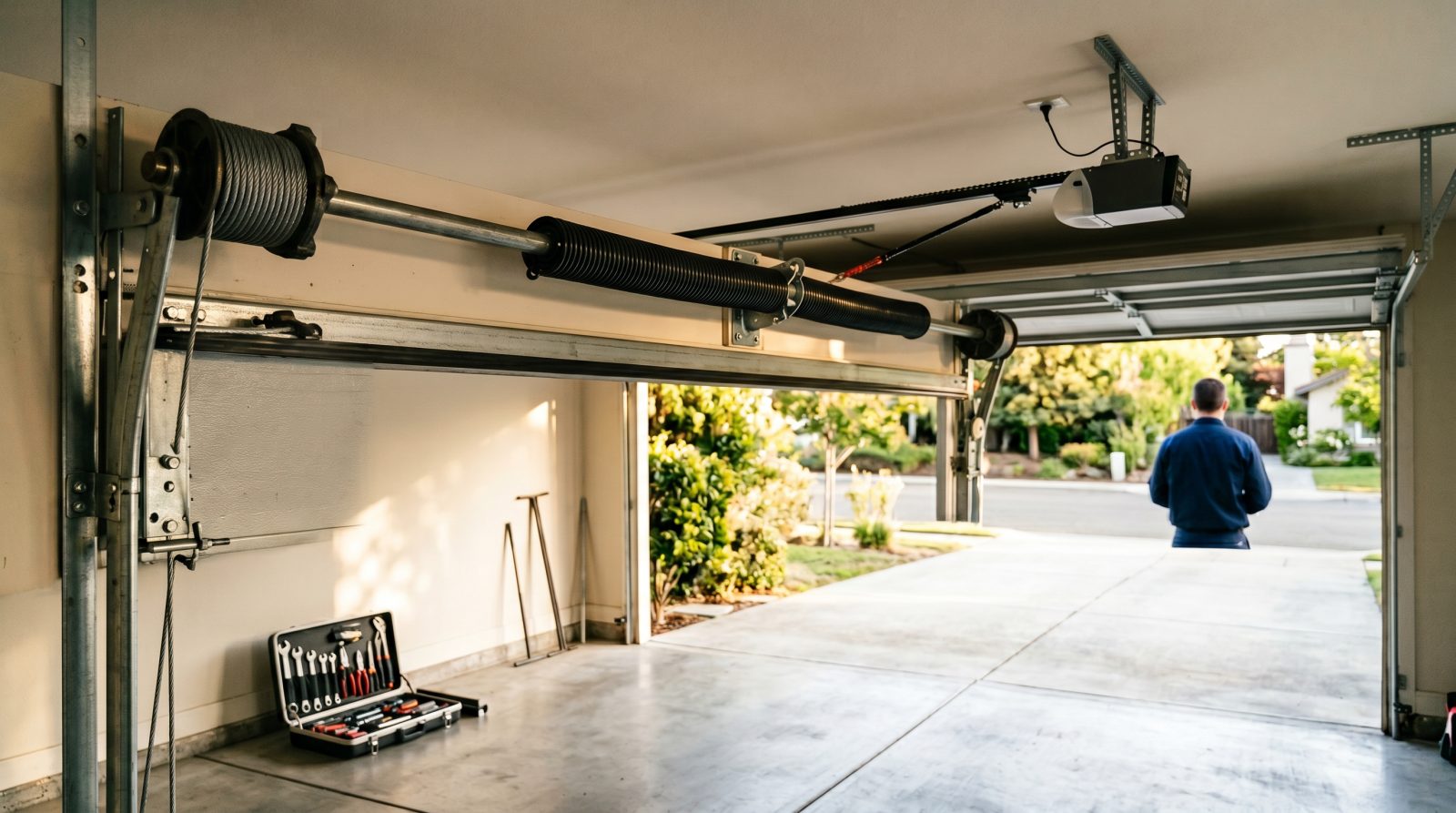
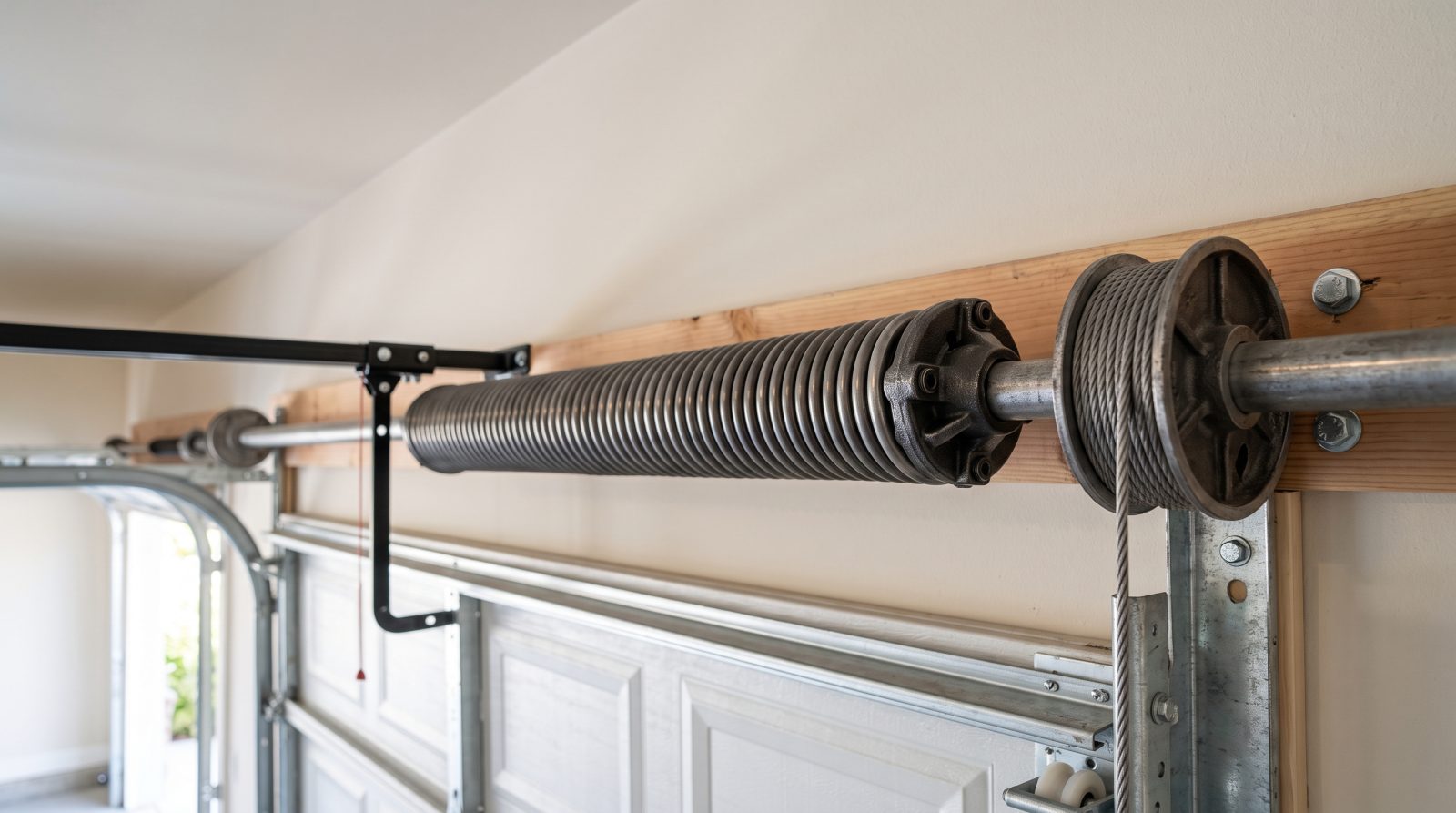
When people say their opener is broken, the real culprit is usually the springs. Your opener motor only guides the door and holds it in position — the springs are what actually counterbalance the weight, storing energy as the door closes and releasing it to help the door rise. A single sectional door can weigh well over 100 pounds, and the springs make it feel light. When a spring breaks, the opener is suddenly asked to lift the full dead weight it was never built to handle, which is why a 'dead opener' so often turns out to be a snapped spring.
There are two main systems. Torsion springs mount on a metal shaft above the door and are the more durable, more common modern setup. Extension springs run along the horizontal tracks on either side and are typical on older or lighter doors. Both are rated in cycles — one open-and-close is one cycle — and a standard spring is often rated around 10,000 cycles, which for an average household can mean roughly seven to twelve years, though a busy family using the garage as the main entrance can burn through that far faster. Telltale signs of a failing or broken spring include a loud bang from the garage, a door that lifts only a few inches and stops, a visible gap in the coil, or a door that suddenly feels extremely heavy by hand.
This is the repair we most strongly urge homeowners not to DIY. Torsion springs are wound under tremendous tension, and the winding bars, if they slip, can cause serious injury. It's also best practice to replace springs in pairs even when only one has failed, because a matched pair wears evenly and a single old spring left in place is usually weeks or months from going too. A technician will also check that the new spring is correctly sized to your door's actual weight, which is what keeps the door balanced and the opener from straining.
- Torsion springs: shaft-mounted, more durable, standard on most modern doors
- Extension springs: track-mounted, common on older and lighter doors
- A loud 'bang' followed by a door that won't lift is a classic broken-spring sign
- Replace in matched pairs so wear stays even and the door stays balanced
- High-tension, injury-prone work — the clearest case for a trained technician
Openers, off-track doors, and the safe-vs-call-a-pro line
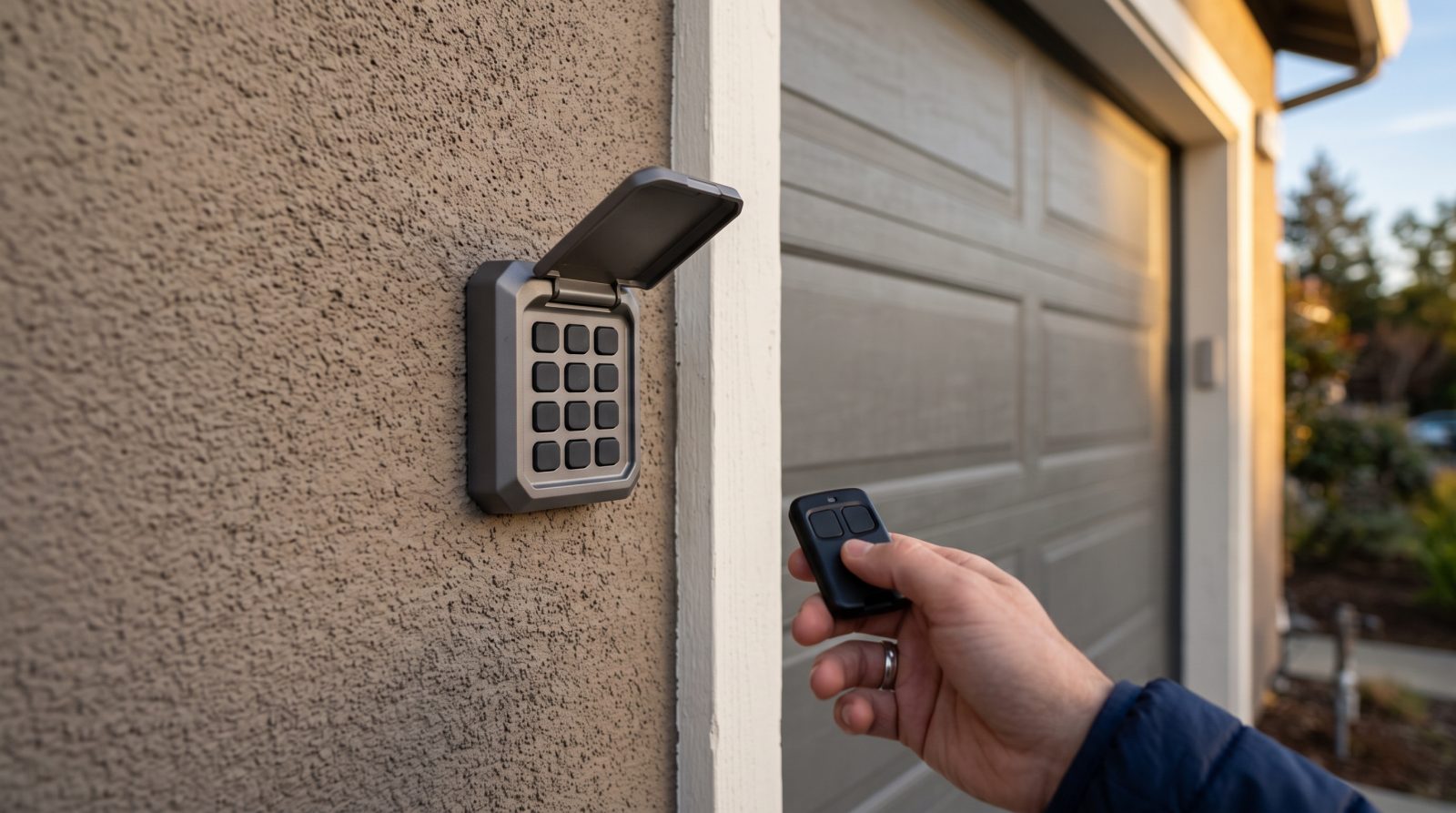
Openers fail in more forgiving ways than springs, and several issues are genuinely homeowner-friendly to check first. If the door won't respond to the remote but works on the wall button, start with the remote battery and the antenna wire hanging from the motor. If the door reverses just before it closes, the photo-eye sensors near the floor are the usual suspect — wipe the small lenses clean and confirm both point at each other, with their indicator lights steady rather than blinking. If nothing happens at all, confirm the opener still has power and that the wall lock or vacation lock isn't engaged. These five-minute checks resolve a real share of 'broken opener' calls without anyone coming out.
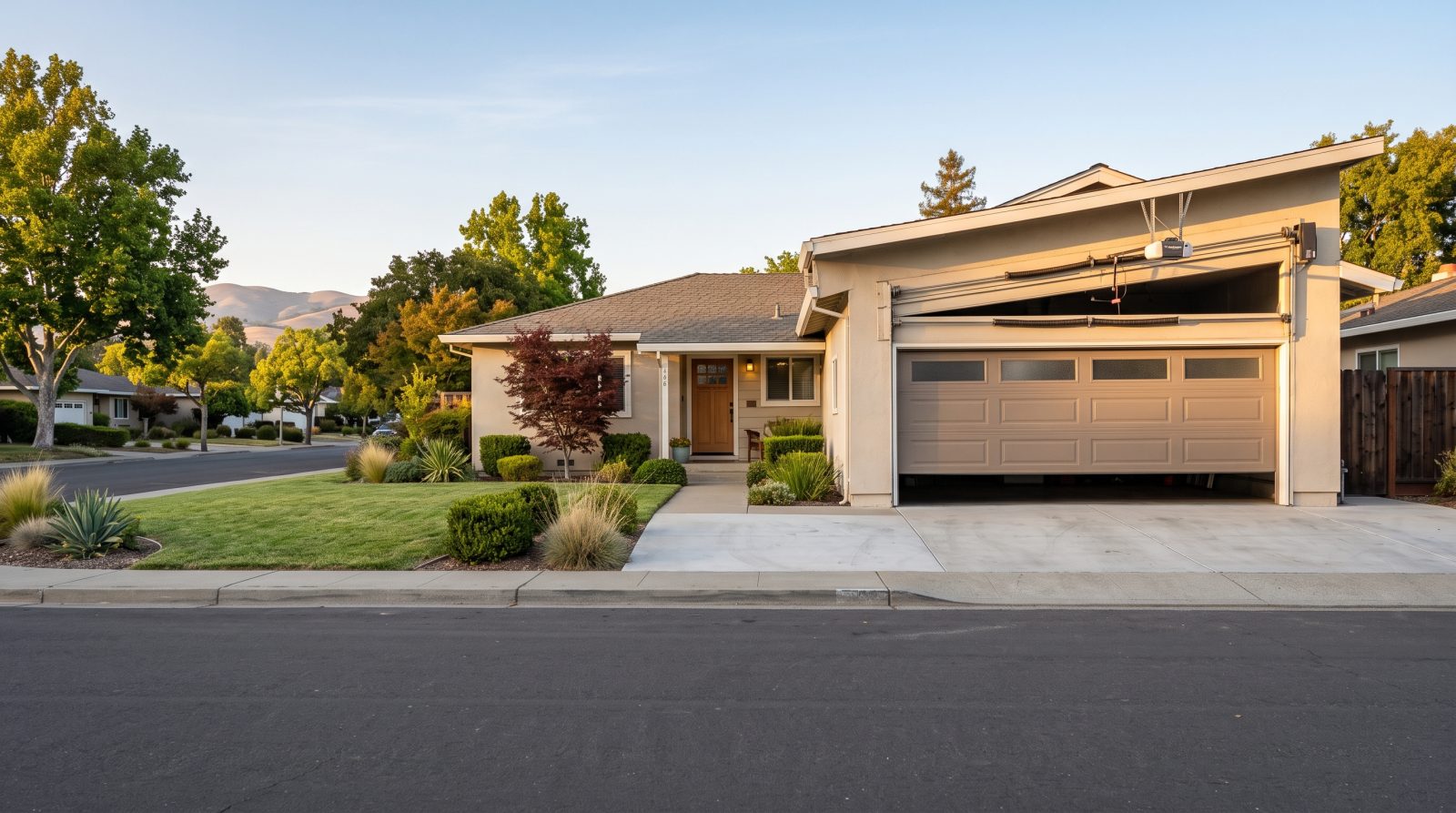
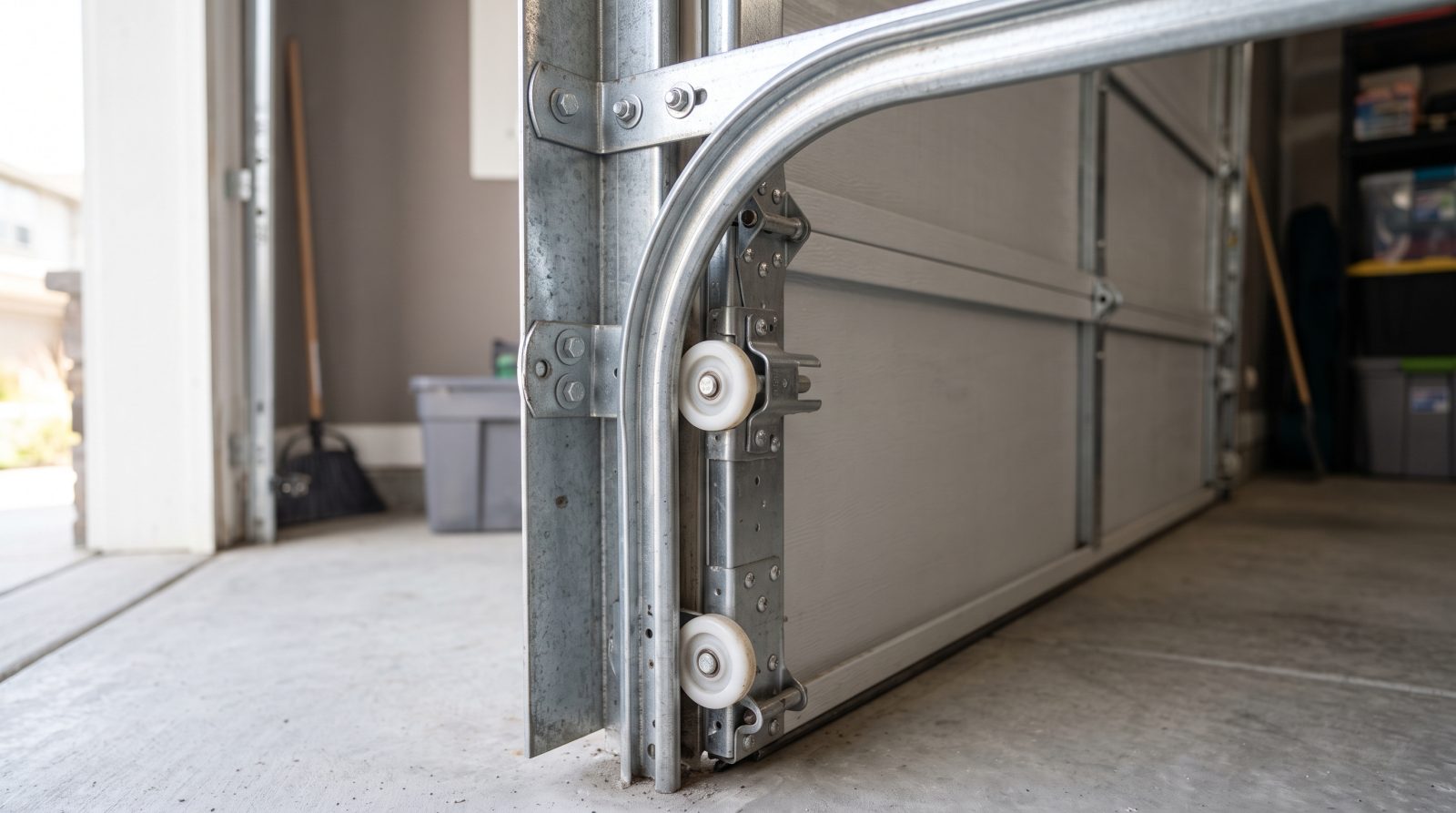
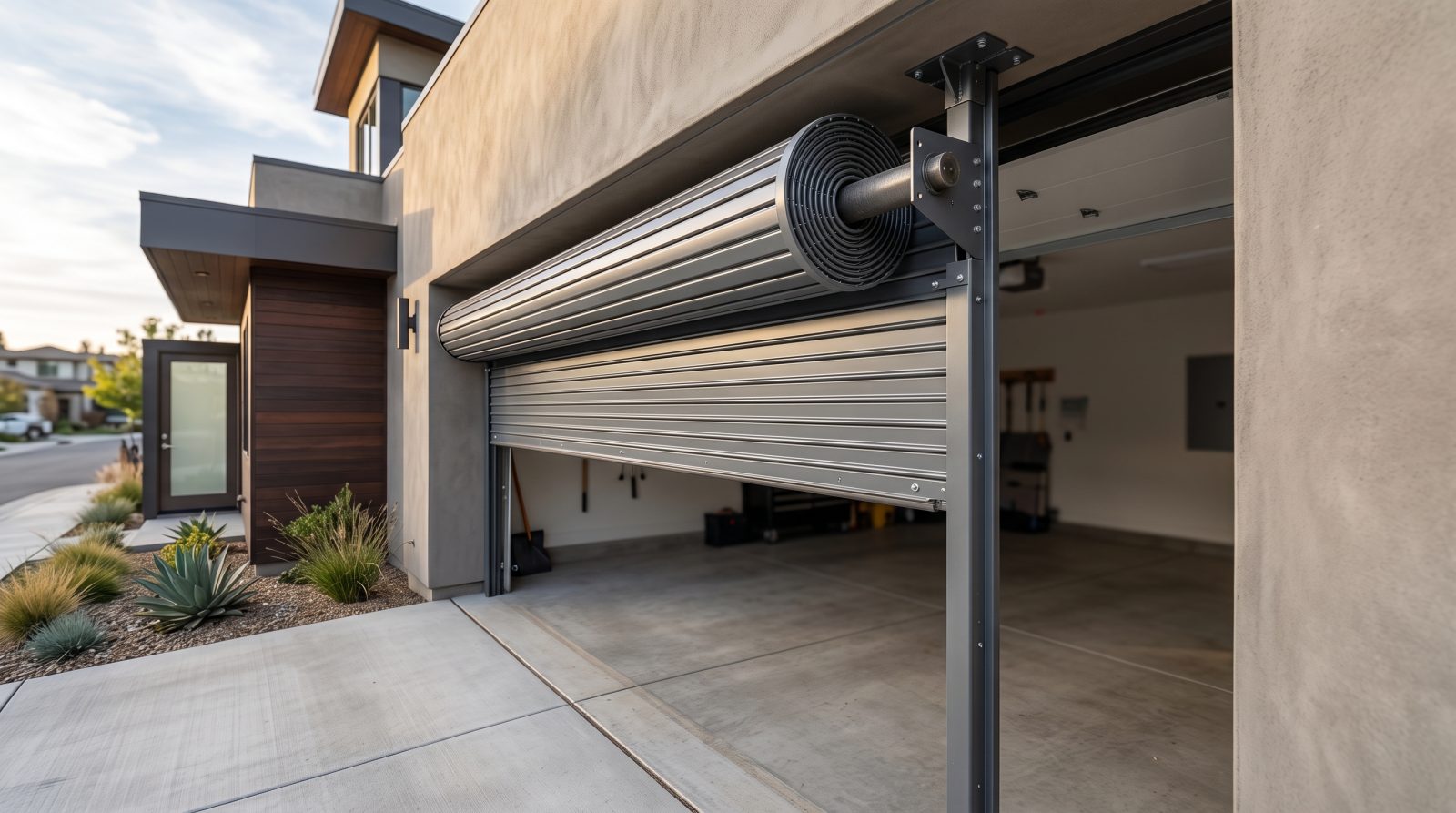
An off-track door is a different animal. Tracks bend after a car bump, a roller wears out and jumps the rail, or a cable fails and lets one side drop. A door hanging crooked in its tracks is under uneven load and can come down hard, so the right move is to stop using it and leave it where it is. Forcing an off-track door with the opener almost always bends more track and can damage panels, turning a modest repair into a much larger one. We re-seat the door, replace the failed rollers or cables, straighten or swap track sections, and re-balance the system so it runs true again.
The honest dividing line is tension and weight. Anything that involves cleaning, alignment, battery and remote checks, or tightening an obviously loose visible bolt is fair game for a careful homeowner. Anything involving springs, cables, the bottom roller brackets, or a door that's off its tracks stores enough force to hurt you and is where a technician earns the call. When the simple checks don't fix it, that's the signal to bring someone in rather than escalate the problem.
New garage door installation in the Bay Area
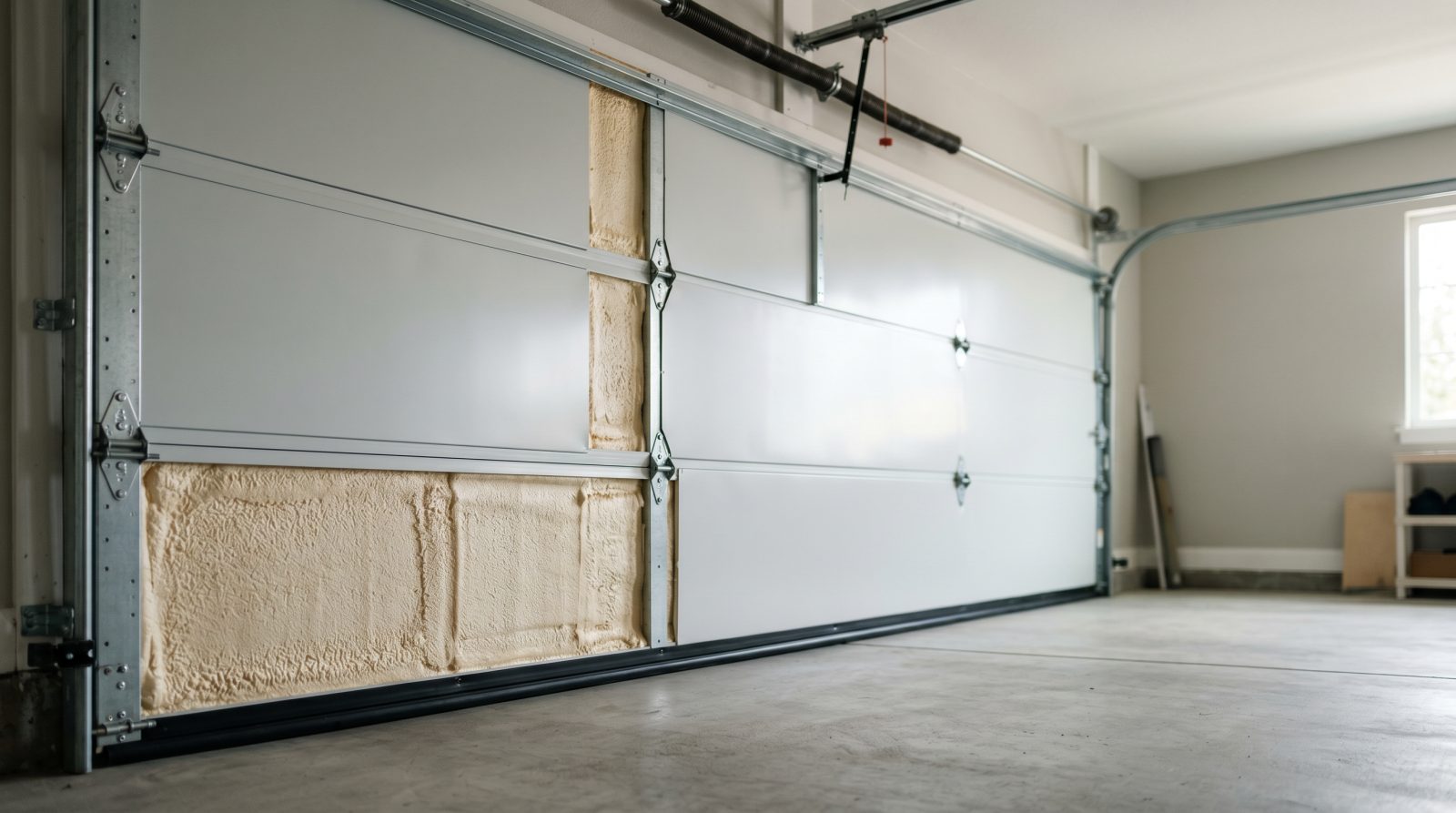
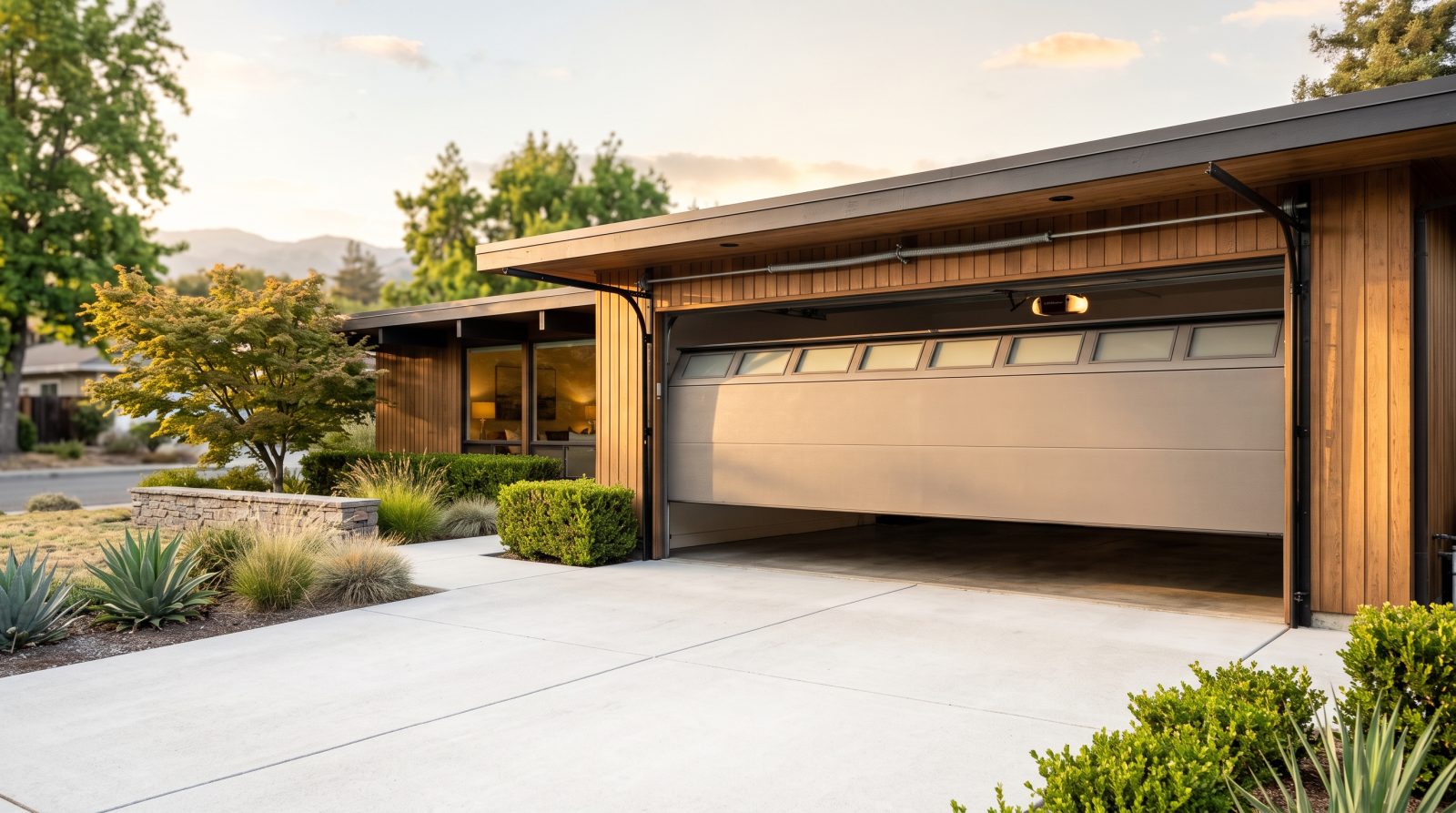
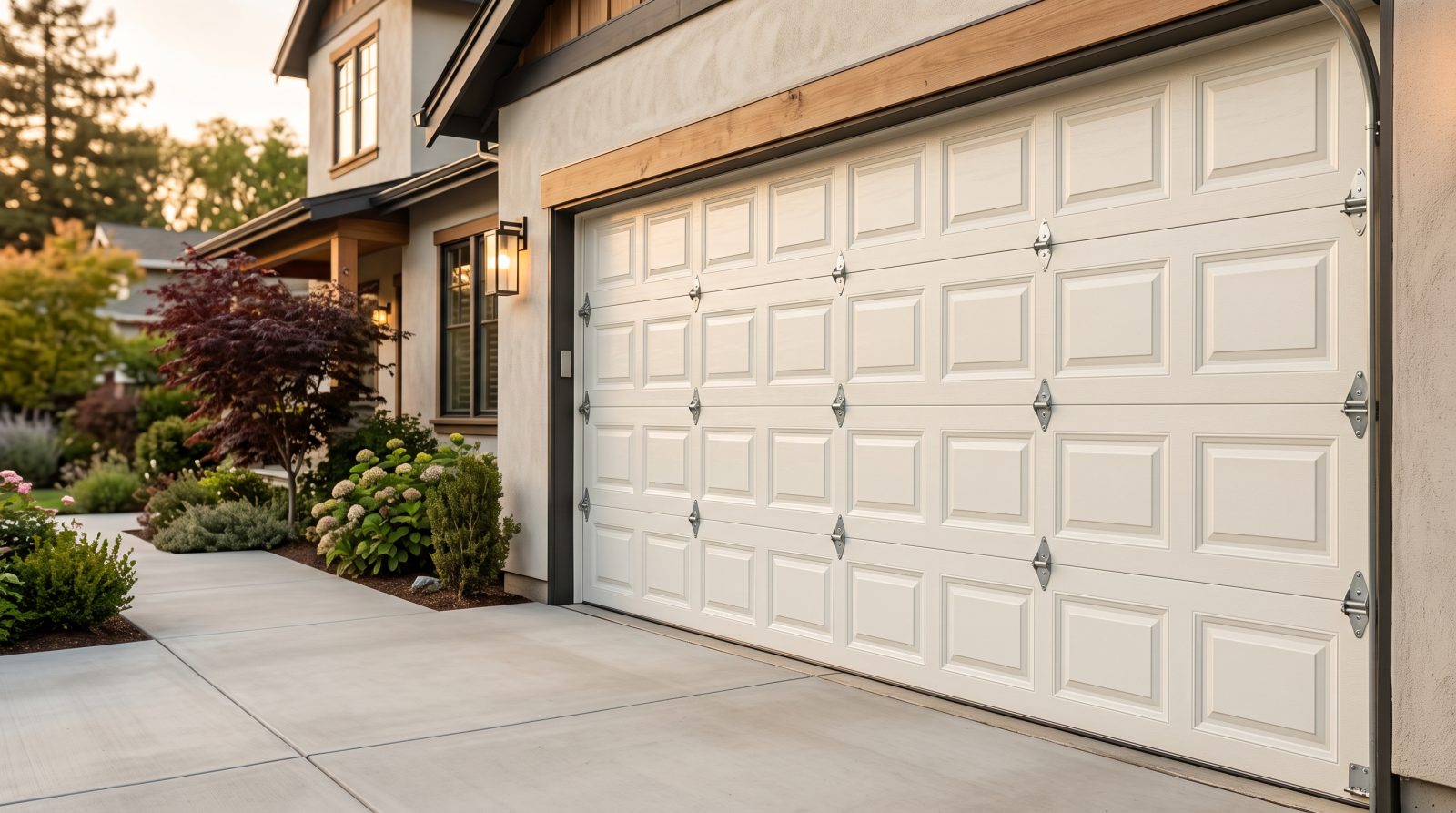
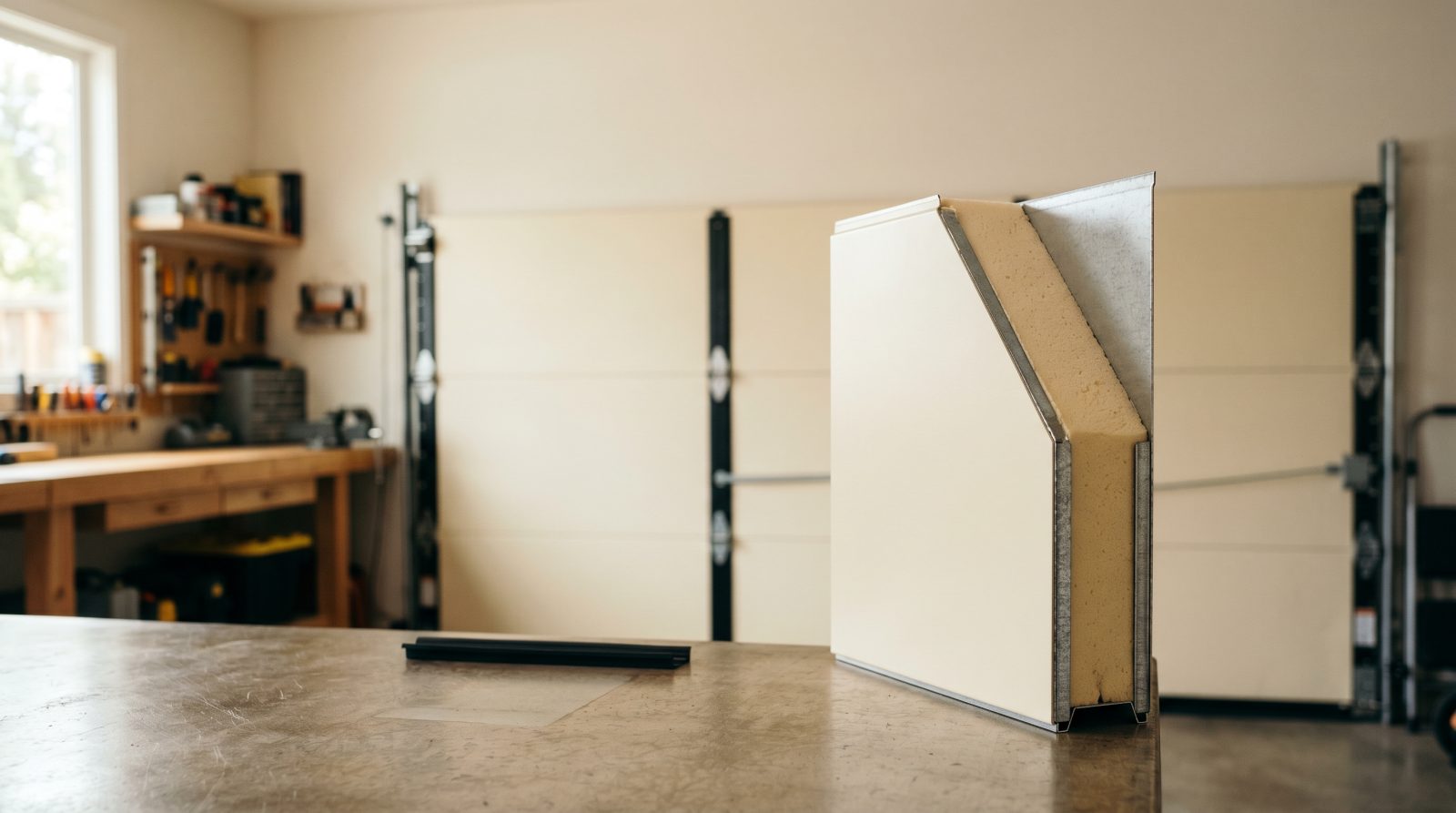
A new door is one of the highest-return upgrades a home can make: it's a large share of the front facade, it affects daily security and energy loss, and a modern insulated door noticeably quiets and tempers a garage that doubles as a gym, workshop, or laundry room. When we install, we measure the actual opening, headroom, and side room, match the door style to the home, and set up the springs and opener as a balanced system rather than bolting on parts. We also haul away the old door so you're not left with the disposal.
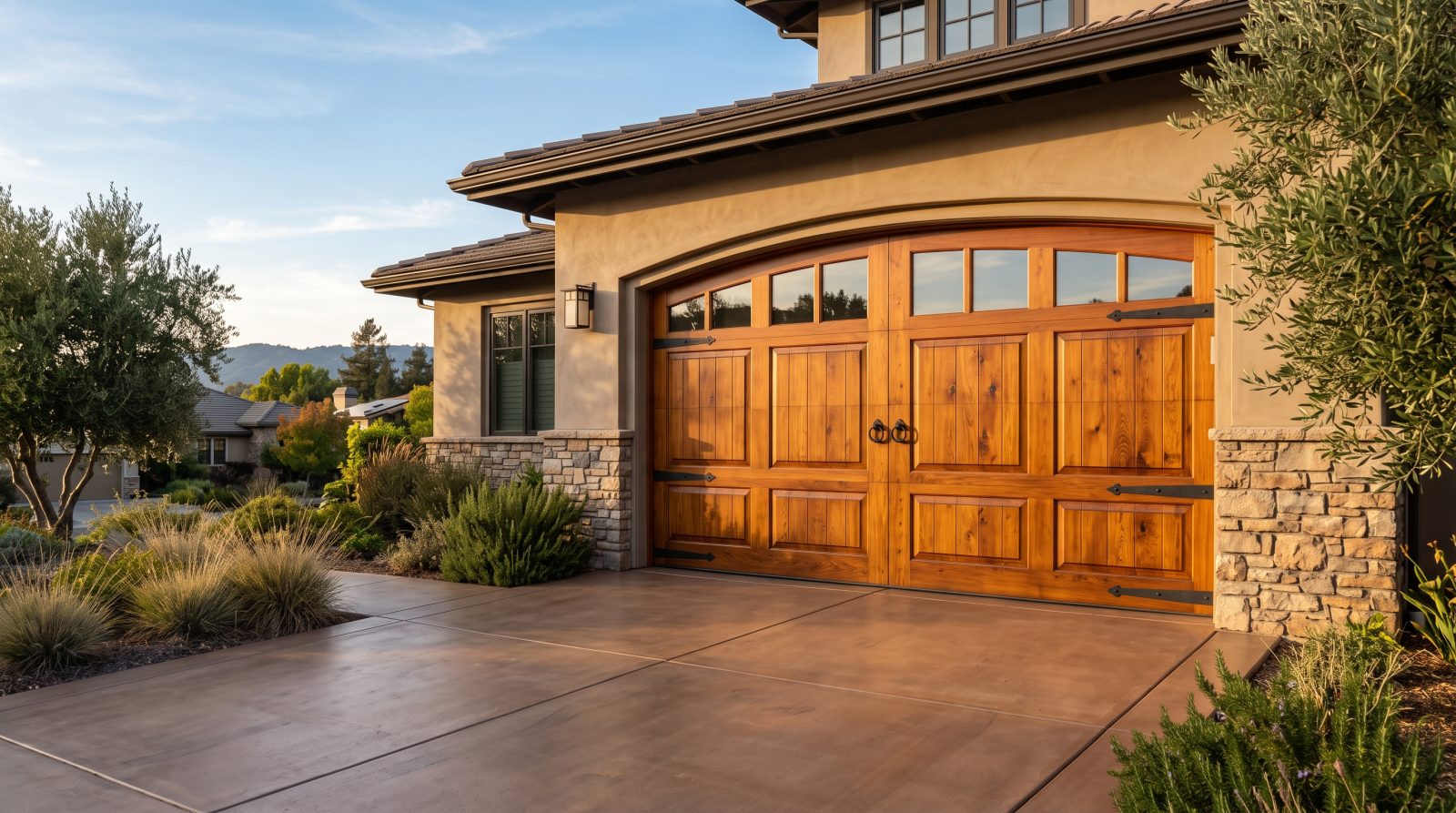
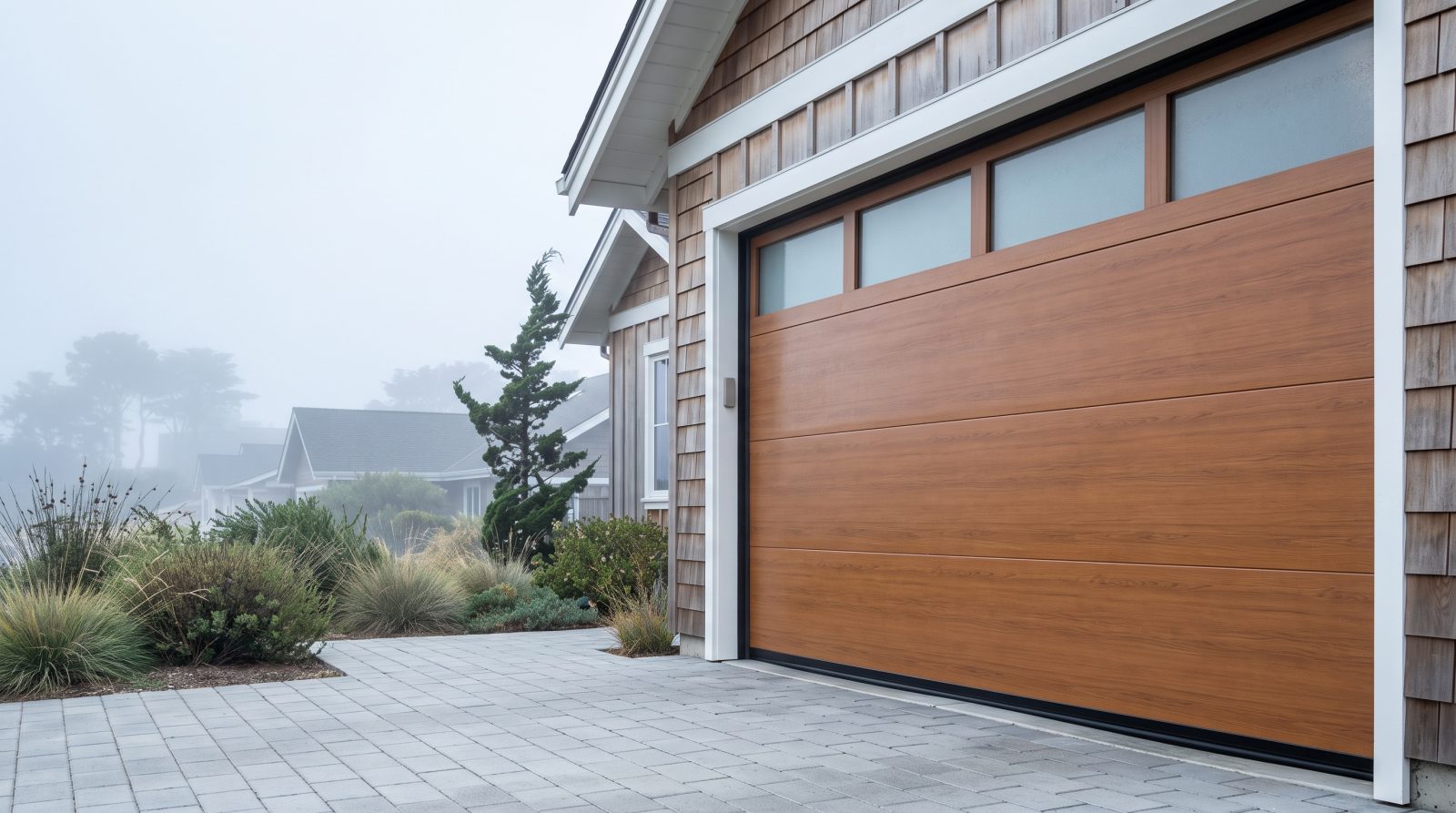
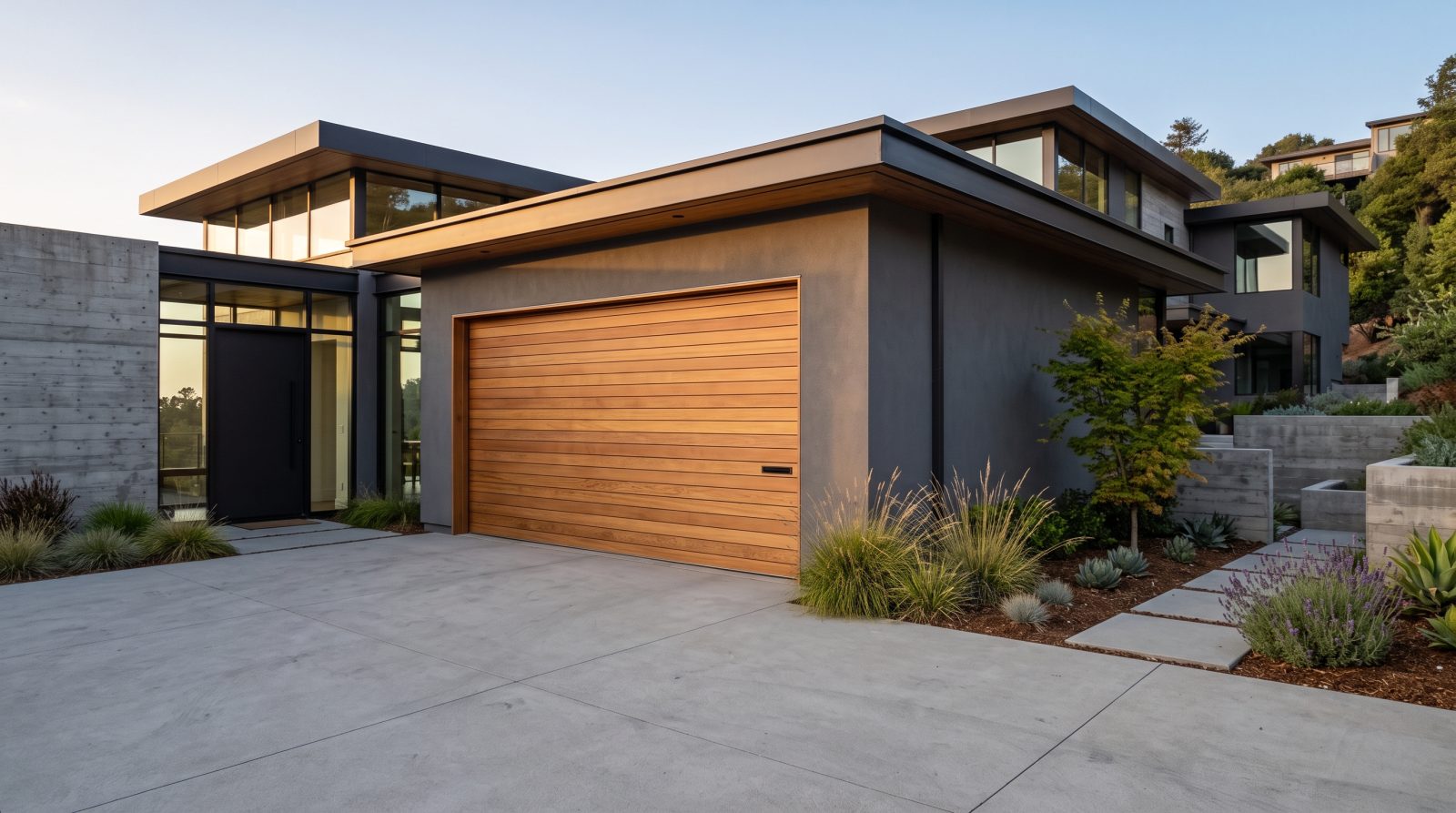
Bay Area homes make door selection genuinely local. Older Eichlers, Victorians, Craftsman bungalows, and mid-century ranches each have a 'right' look, and a door that flatters a Marin hillside contemporary is not the one that suits a San Francisco flat or a San Jose tract home. Material choice is just as practical: steel doors offer the best value and security; insulated steel adds an R-value that matters for garages under living space; and homeowners closer to the bay and coast should weigh corrosion resistance, since salt-laden air is hard on cheap hardware and thin finishes over time.
Choosing well comes down to matching material, insulation, and operation to how you actually use the garage and where you live. Below are the trade-offs we walk every customer through before recommending a door, so the install fits the home and the climate rather than just the lowest sticker price.
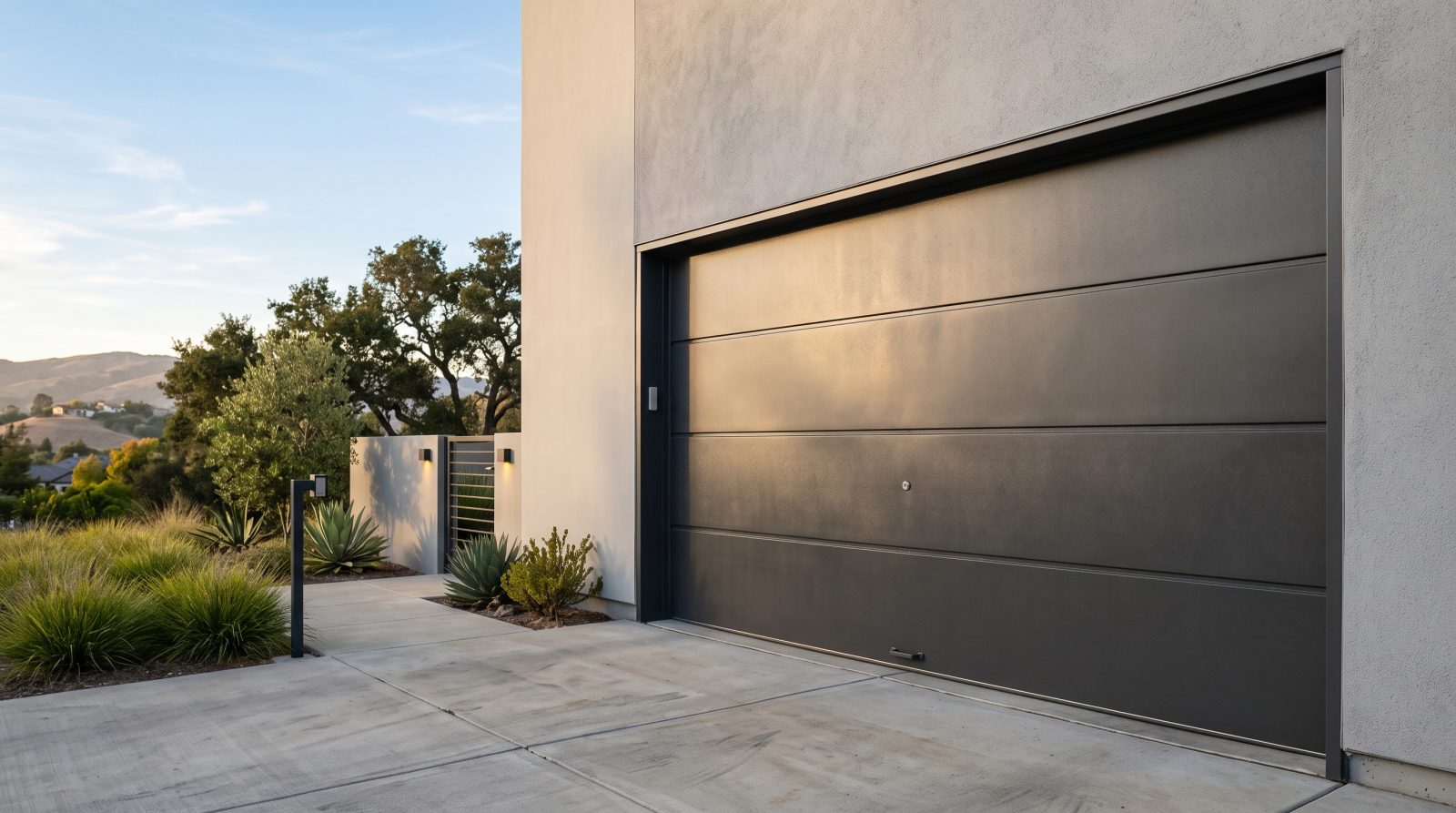
- Steel — best all-around value, strong, low maintenance; insulated versions for attached or under-living-space garages
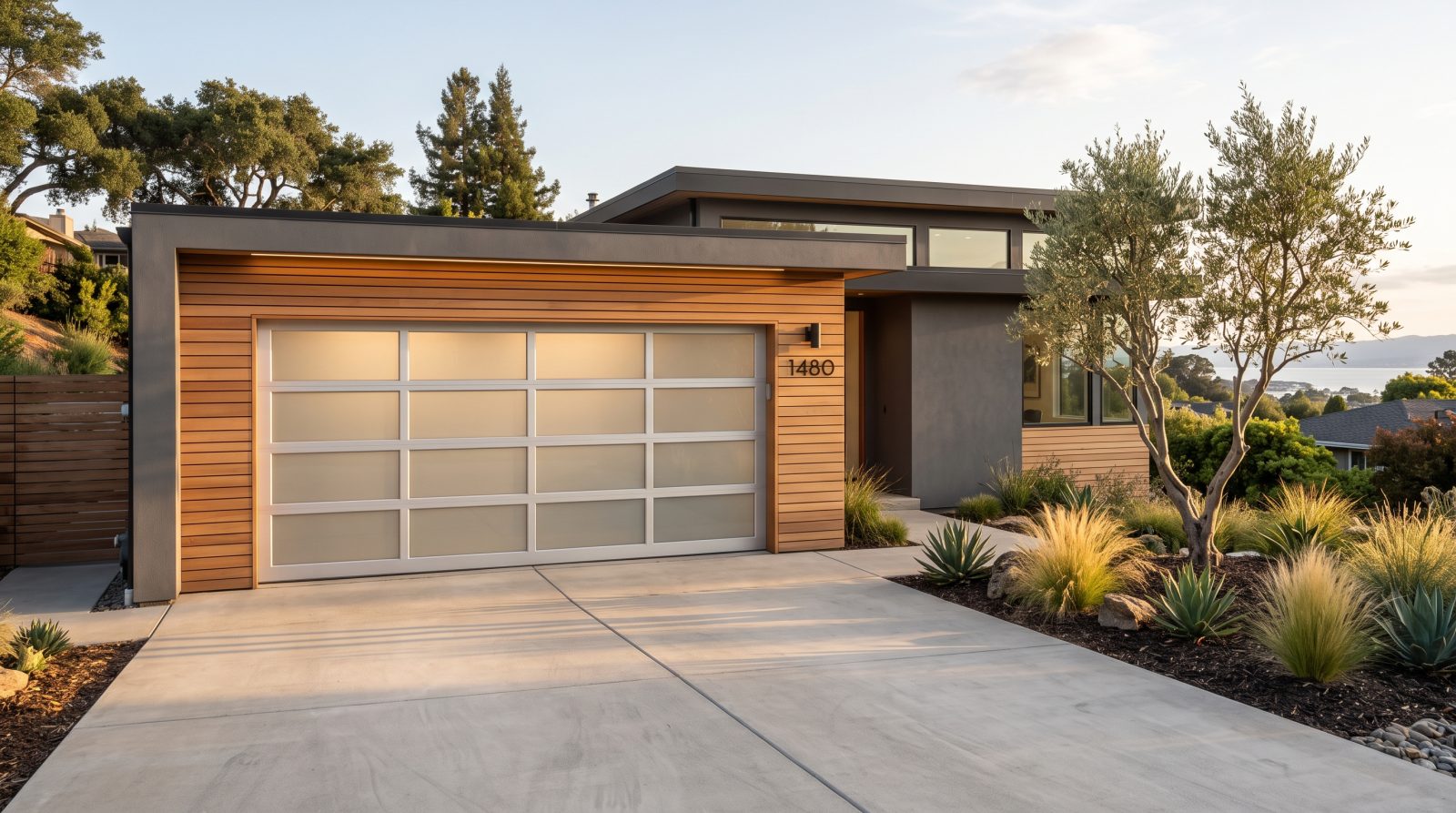
- Aluminum and full-view glass — modern look, lighter, popular on contemporary Bay Area homes
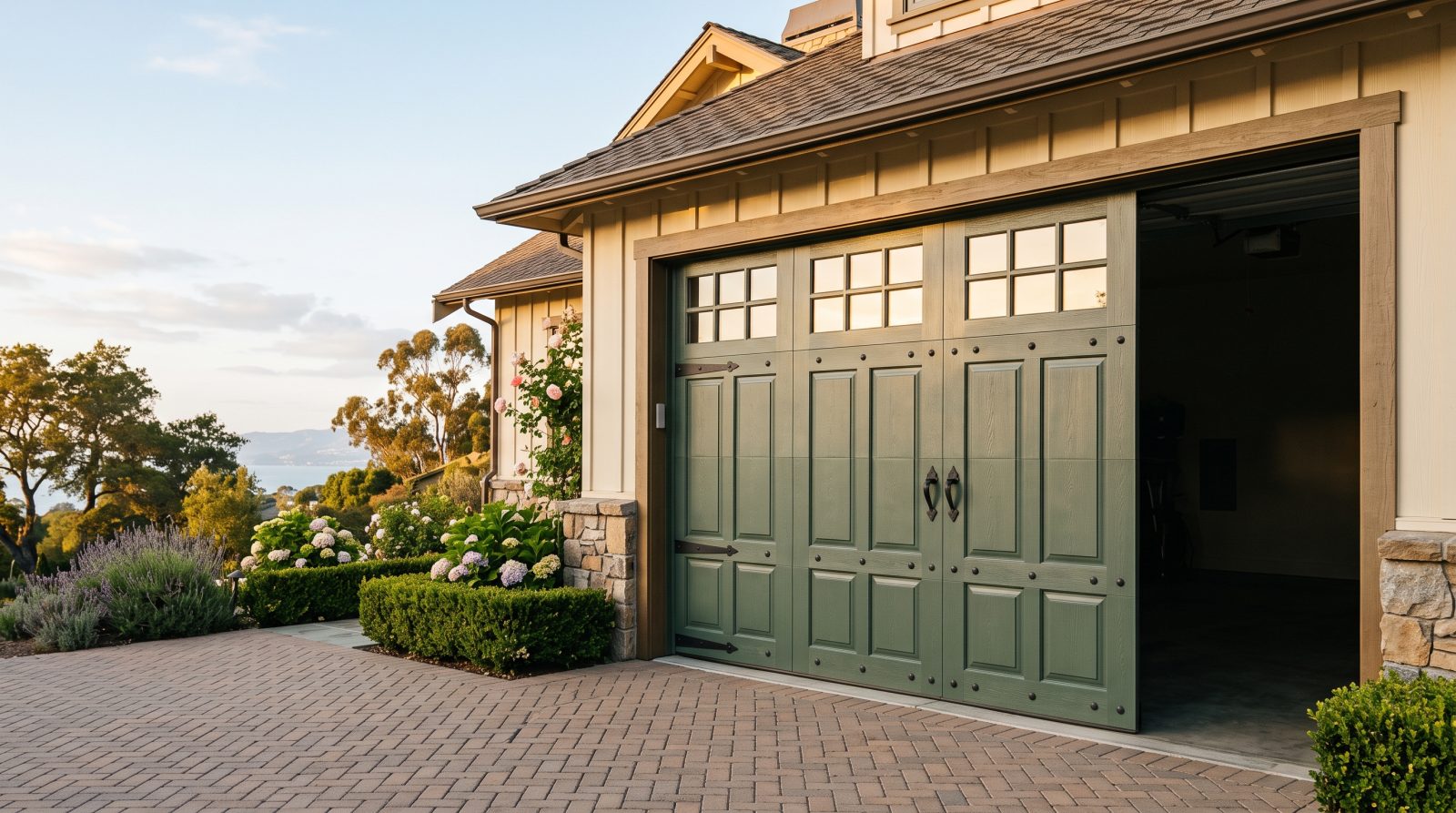
- Wood and wood-composite — premium curb appeal for Craftsman and period homes; composites resist warping in damp microclimates
- Insulation (R-value) — meaningful for comfort and noise when the garage is conditioned-adjacent or used as living space
- Coastal and bay-proximity corrosion resistance — galvanized/coated hardware and quality finishes hold up far better near salt air
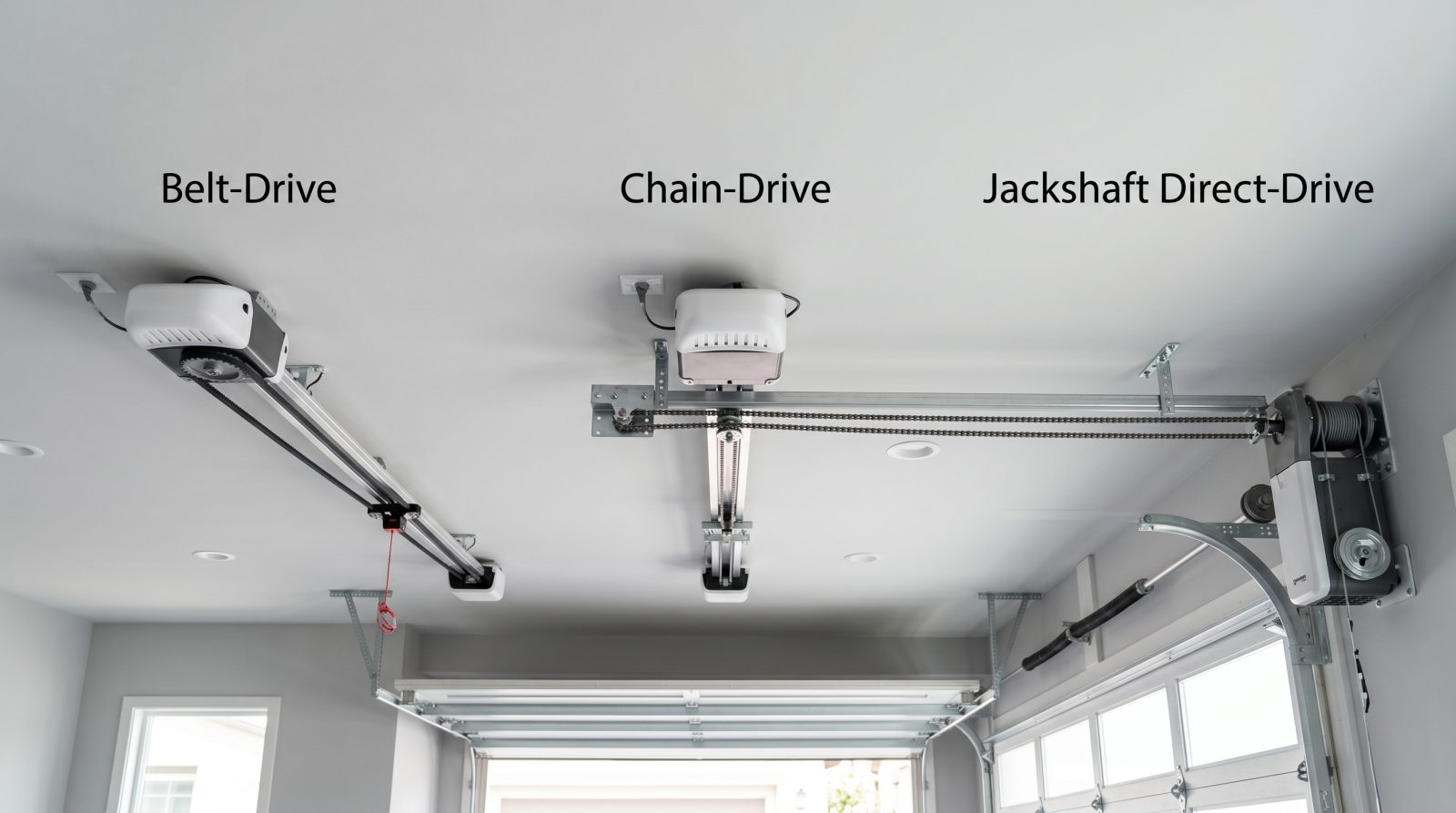
- Quiet operation — modern belt-drive openers and nylon rollers dramatically cut the noise of a door under a bedroom
Why the Bay Area is hard on garage doors
Garage doors here age differently than they do in a dry inland climate, and understanding why helps you catch problems early. Homes near the bay, the Pacific, and the fog belt sit in salt-bearing, humid air that quietly corrodes springs, cables, hinges, and fasteners from the inside out. A spring that might last a decade in Sacramento can fatigue faster when moisture works into the steel, and rusty cables fray sooner. If your hardware is showing orange streaks, that's not cosmetic — it's the early warning that a load-bearing part is weakening.
The region's housing stock adds its own quirks. A huge number of Bay Area garages are original to homes built decades ago, with tracks, brackets, and openers that predate current safety standards — many older openers lack the photo-eye reversing sensors that became standard in the early 1990s. Hillside and split-level homes from the East Bay to Marin often have garages tucked under the house with limited headroom, which changes which spring system and track radius will actually fit. And dense neighborhoods in San Francisco, Oakland, and the Peninsula mean tight driveways and shared walls where a door that won't close is both a security problem and a neighbor problem.
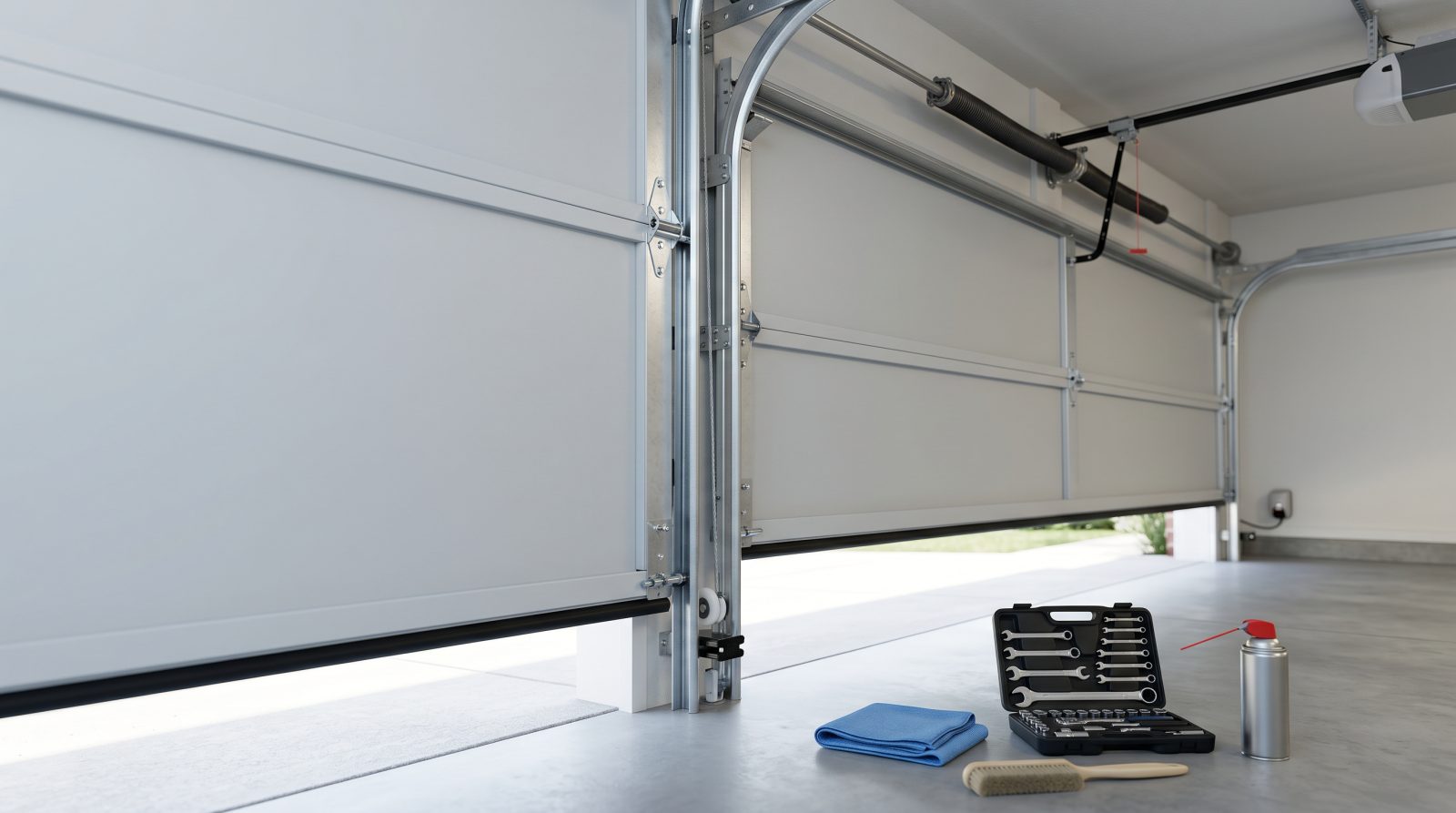
None of this requires alarm — it requires the right maintenance rhythm. A quick seasonal habit catches most Bay Area-specific failures before they strand your car: look and listen for rust and grinding, keep the moving parts lubricated against the damp, and test the door's balance and safety reverse a couple of times a year. The checklist below is what we'd tell a neighbor to do between professional visits.
- Inspect springs, cables, and hardware for rust and fraying, especially within a few miles of the bay or coast
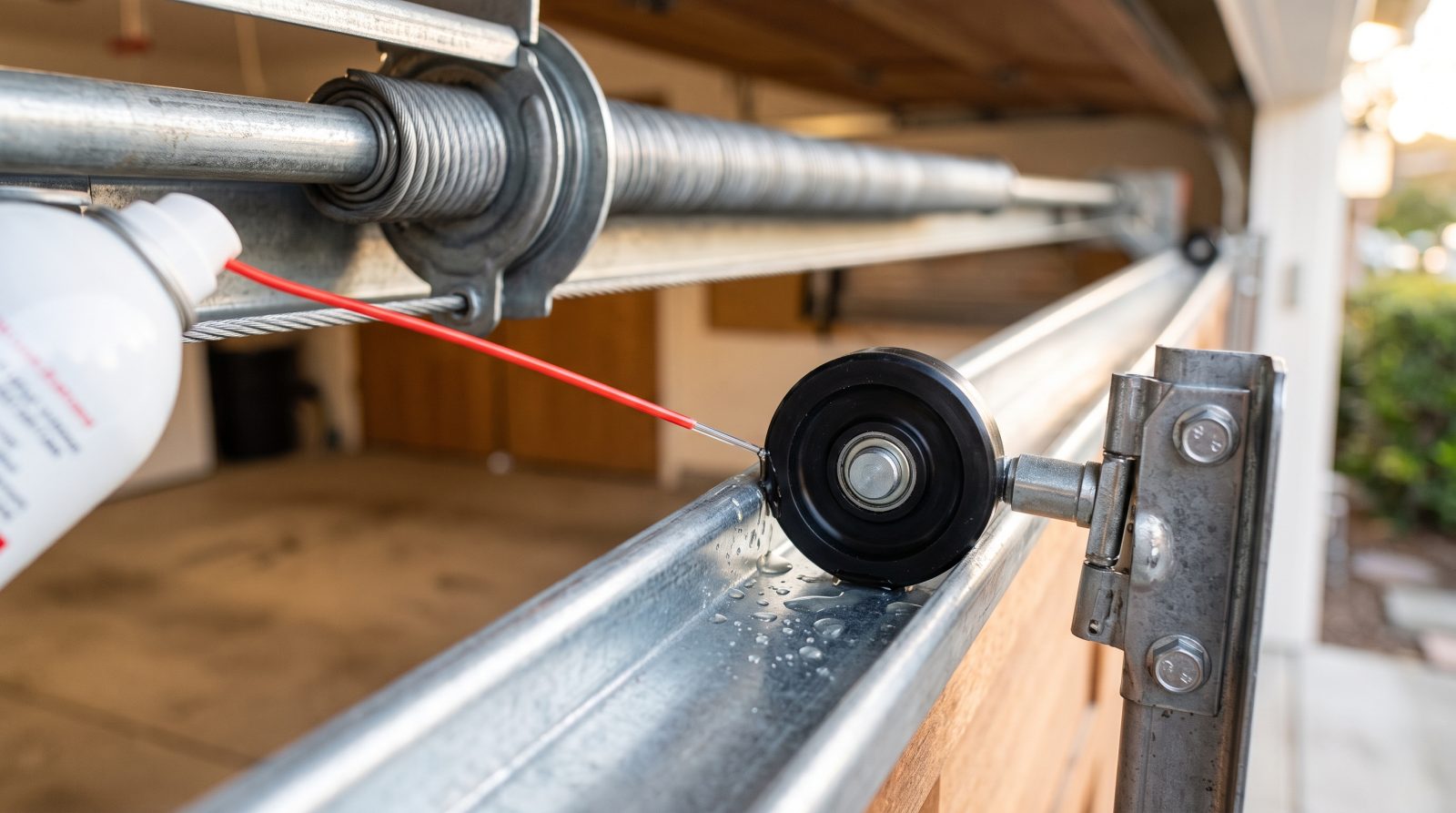
- Lubricate rollers, hinges, springs, and the opener chain or screw with a garage-door lubricant — not WD-40 — twice a year
- Test the door's balance: with the opener disconnected, a healthy door holds steady around waist-to-chest height
- Test the auto-reverse safety: the door should reverse on contact and when the photo-eye beam is broken
- On pre-1990s openers, ask about adding modern photo-eye sensors and a current-standard opener for safety
- Keep the bottom seal and weatherstripping intact to block the damp, drafts, and pests common in coastal microclimates